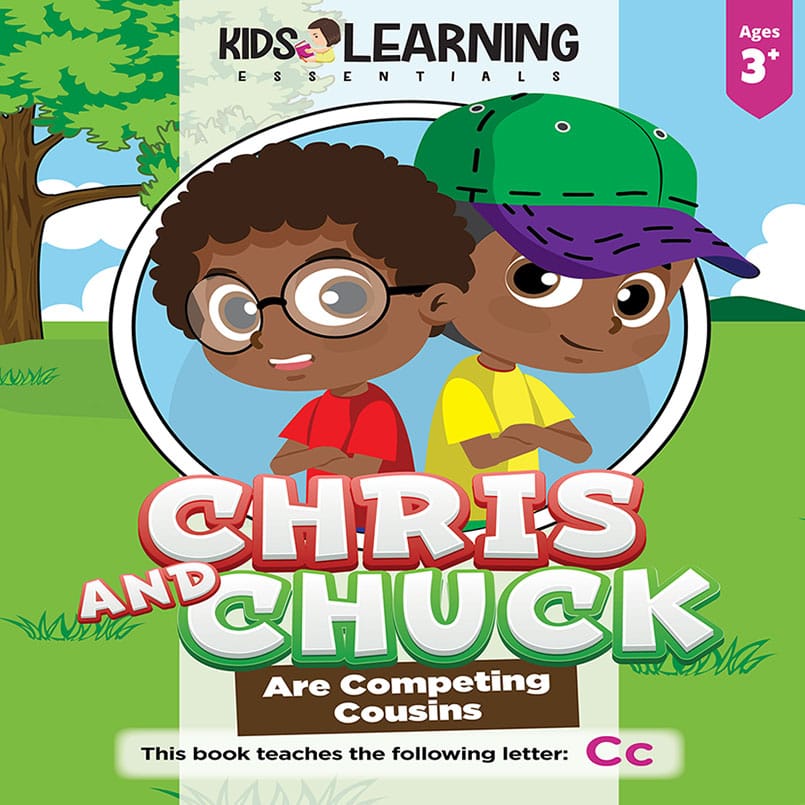
Kids Learning Essentials

  • How Stories Enhance Memory for Alphabet Letters

    Why Your Child's Letters Keep Slipping Through Their Fingers

    You are sitting at the kitchen table, holding a stack of flashcards. You ask your child to find the letter 'B'. They look at you with a furrowed brow, then scan the cards, and then they look away. You try again with 'M'. They try again. The frustration builds in your chest, and a quiet voice starts to whisper: Why won't these letters stick like they do for other kids? Am I not teaching this well enough?

    You feel like a failing teacher. You see the screen time they've had, and you wonder if that digital noise has dulled their ability to connect with abstract symbols. But before you blame the method or the child, it is crucial to understand what is actually happening in their mind.

    The brain treats isolated letters as meaningless noise without context. When you present a shape on a card, you are asking the brain to store a symbol that has no emotional weight and no situational hook. It is like asking someone to remember a random number without telling them why it matters. The brain is biologically wired to forget what doesn't matter.

    Drills create short-term memory spikes that vanish quickly. Flashcards present symbols in a vacuum. The moment the card is turned over, the connection is severed. Your child isn't lazy; they are simply following the biological rules of memory. They are discarding information that lacks emotional or situational weight.

    Screen time has conditioned the brain to expect passive consumption, not active association. Digital media trains the brain for rapid switching, not deep encoding. Static images on a screen lack the dynamic movement of a story. You need to move from passive viewing to active imagination.

    "It is not a lack of capacity; it is a lack of meaningful hooks."

    The Magic of Narrative Hooks: How Stories Anchor Memory

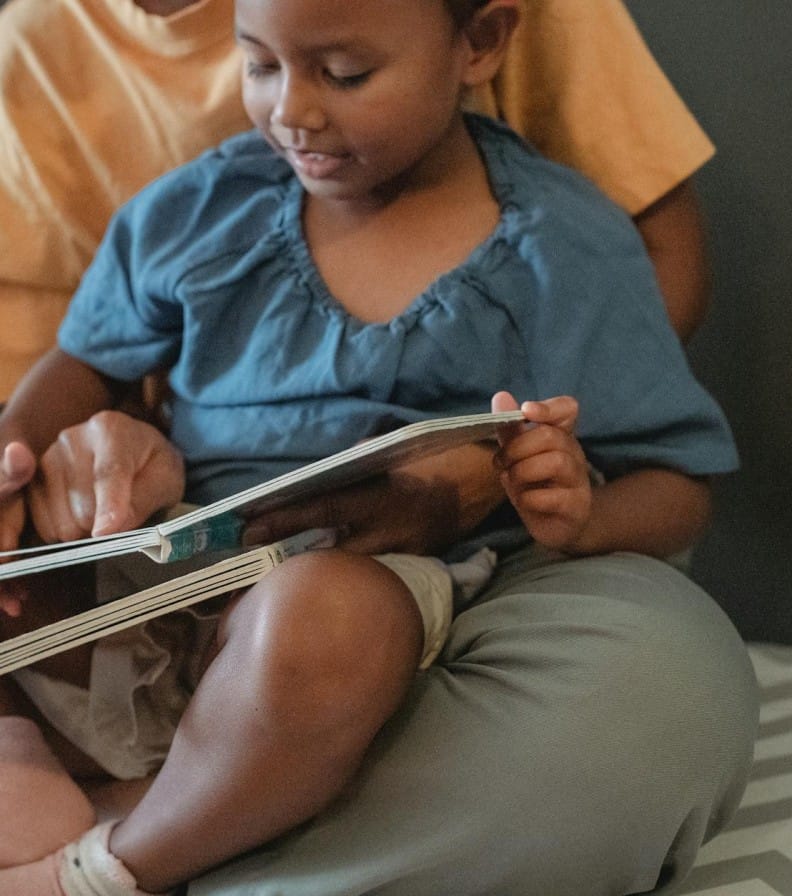
    A young boy deeply absorbed in reading an illustrated storybook indoors.

    So, how do we fix this? How can a simple story fix the memory issues caused by drills? The answer lies in the human brain's natural preference for meaning. Stories provide a 'home' for every letter. When a letter is embedded in a narrative, it stops being an abstract shape and starts being a character.

    From Abstract Symbols to Living Characters

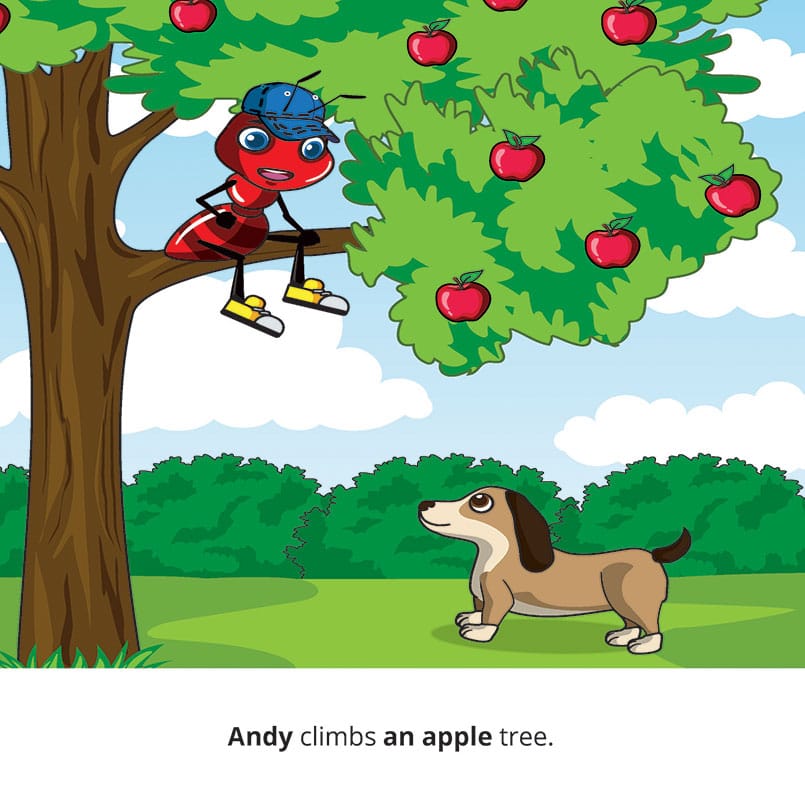
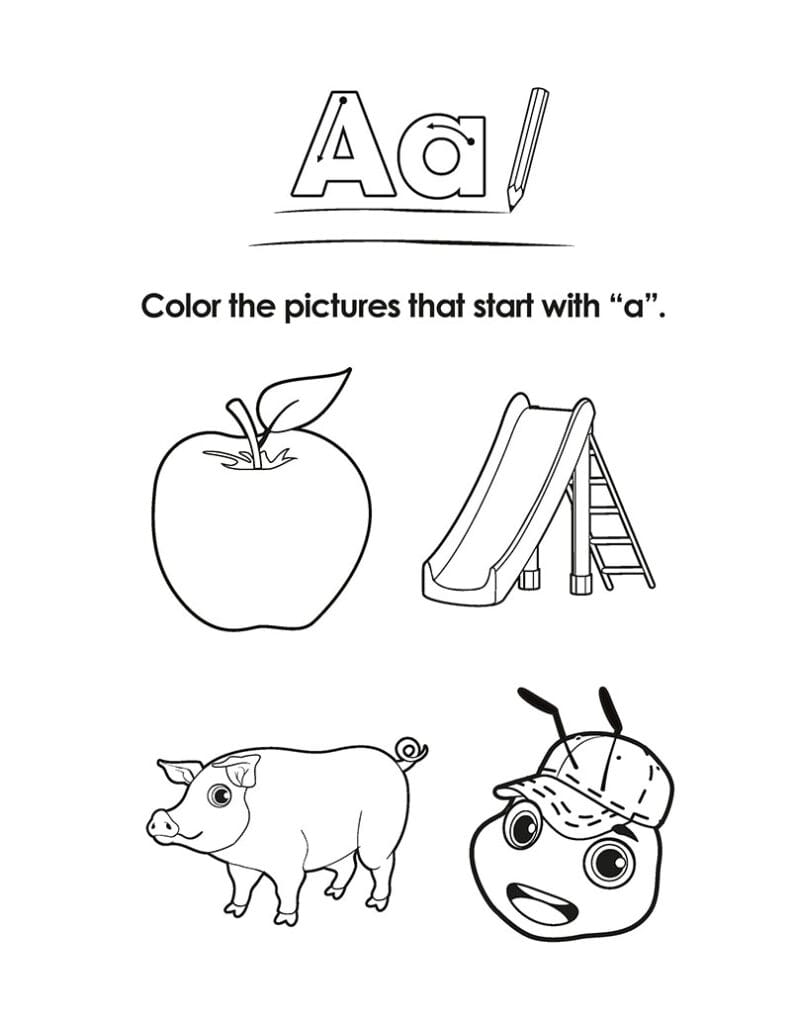
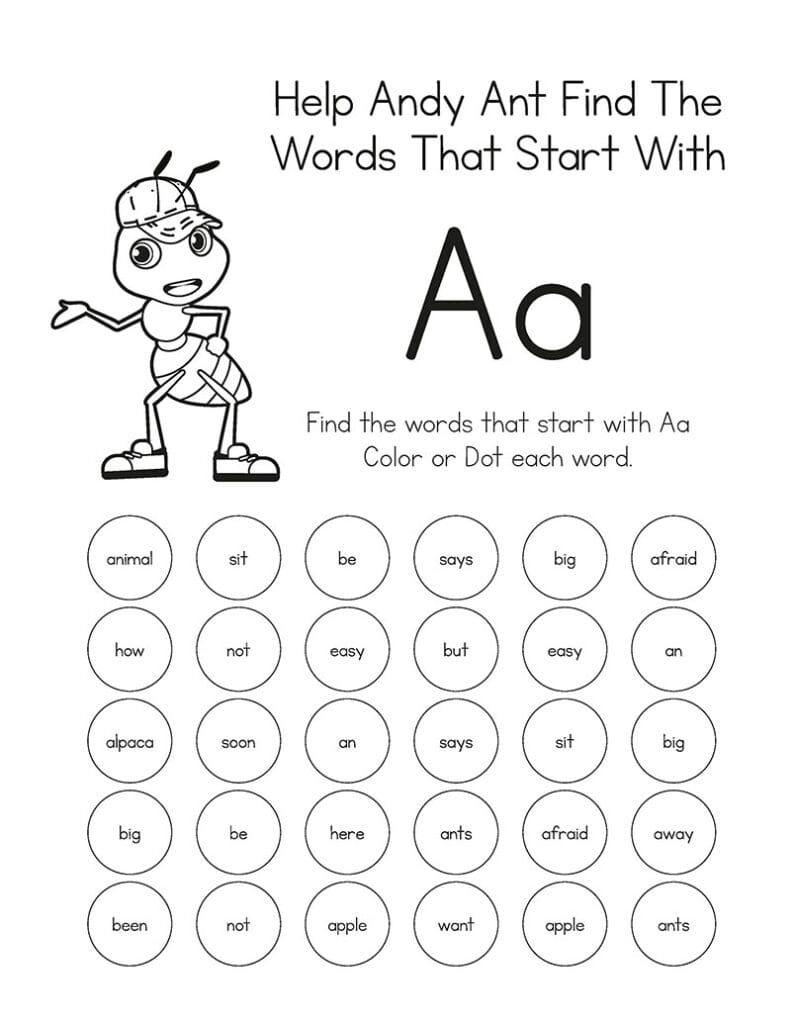
    A letter 'A' is just a shape until it becomes 'Andy Ant'. The brain remembers the character's actions better than the letter's form. This transforms learning from a chore into an adventure. When your child thinks about Andy Ant climbing a hill, they are simultaneously recalling the shape of the letter 'A' and the sound it makes.

    The Power of Associative Pathways

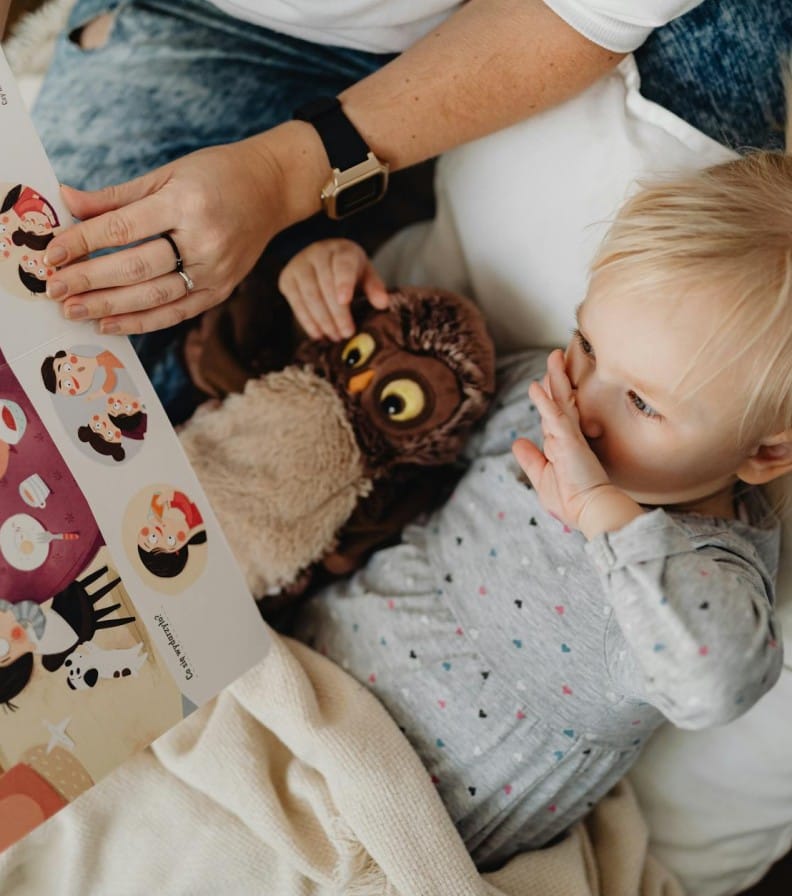
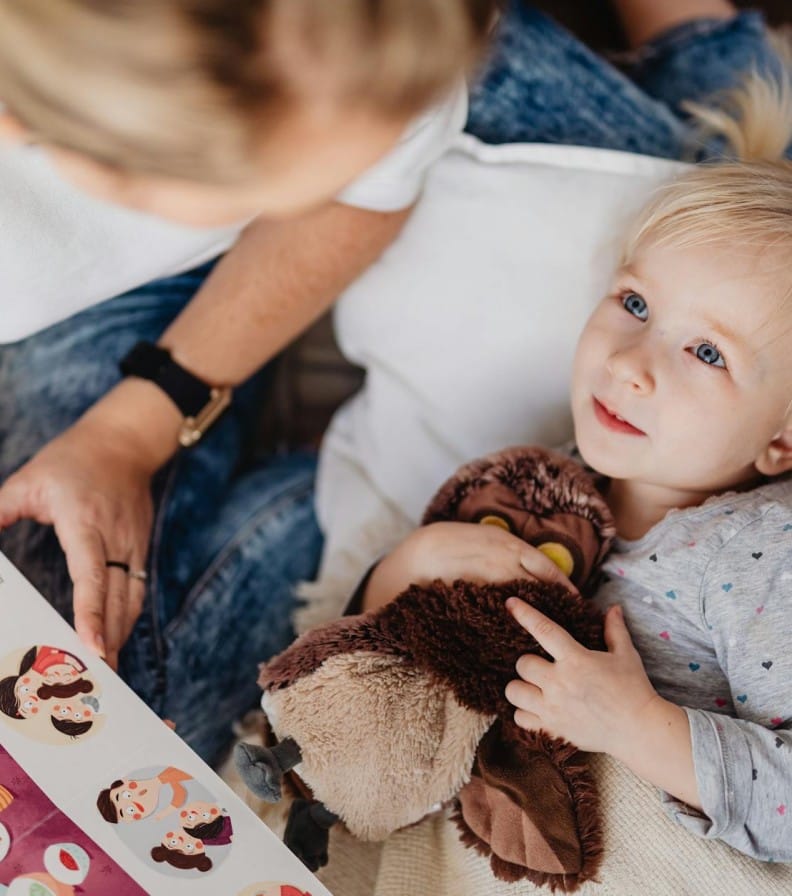
    A young girl reads a storybook with her parent and a cuddly owl toy, sharing a cozy bonding moment.

    Stories link the sound, shape, and meaning simultaneously. Recalling the story triggers the letter automatically. This creates a lasting pipeline for future literacy skills. Instead of memorizing a list, your child is building a web of connections. Every time they hear a story, they are reinforcing the neural pathways that make reading possible.

    Strategy 1: Character Letter Links

    You want to start linking letters to characters without making it complicated. The first step is to pick a simple story with distinct characters. You can use a book you already own, or a digital book that is easy to navigate. Assign one letter to one character's name or trait. Let the child associate the shape with the character's actions.

    Here is how you can build the link during reading:

    • Pause when a character acts. Stop the story right before a character does something significant.
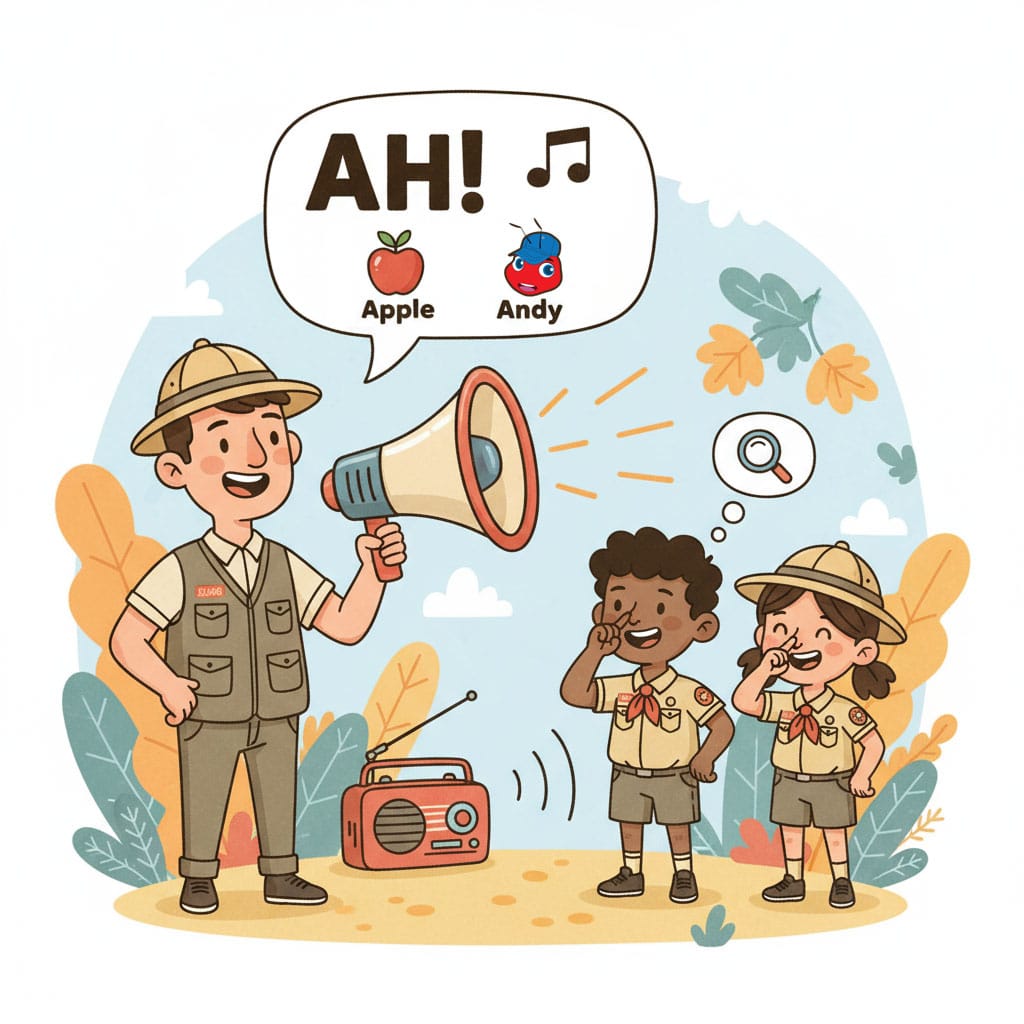
    • Say the letter name and sound aloud. "Look, Andy Ant is moving! That starts with the sound /a/!"
    • Ask the child to identify which character is doing the action. "Who is climbing the hill? Is it Andy Ant or Betty Bear?"

    Choosing the right story structure is vital. Start with short, repetitive tales. Ensure characters have distinct personalities. Keep the plot simple enough to follow while focusing on letters. This ensures that the cognitive load remains low, allowing the child to focus on the letter associations.

    Strategy 2: Story-Based Letter Play

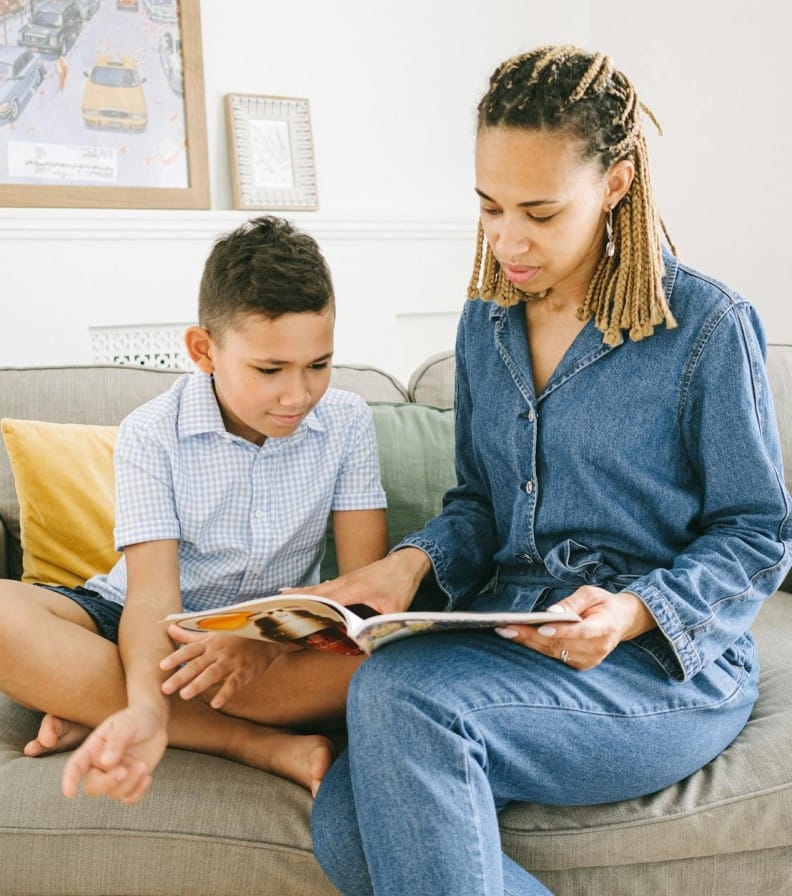
    A mother and her son share quality time reading a book together on the couch in a cozy room.

    How can you get your child to physically interact with the letters while you read? The answer is to combine motor skills with auditory memory. You can draw the letter while describing the character's movement. Explain how the lines of the letter match the character's path. This reinforces visual and motor memory simultaneously.

    The Drawing Connection

    Draw the letter shape as the character moves. Explain how the lines of the letter match the character's path. This reinforces visual and motor memory simultaneously. For example, if the character is jumping, you might draw a letter 'J' in the air or on paper. You trace the curve of the letter while saying, "Just like the jumper is going down and around!" This activates multiple senses for deeper encoding.

    Tracing the Narrative

    Unrecognizable boy reading interesting book while lying on blanket near cute little baby on sofa in cozy room at home

    Trace the letter while retelling the story. Focus on the specific segment where the letter appears. This keeps the child engaged and prevents the activity from feeling like a test. It is play, not work.

    Strategy 3: The Daily Story Ritual

    How much time do you need to spend on this, and how do you make it a habit? Consistency is key to memory retention. A small, consistent time slot is better than sporadic long sessions. Create a calm environment free from distractions.

    Setting the Stage for Success

    A mother and daughter enjoy reading a book together in a cozy living room setting.

    Choose a quiet time of day. Minimize screen distractions. Make the ritual a special bonding moment. This could be ten minutes before bed or during a quiet morning coffee.

    Reinforcing Without Pressure

    Keep the tone light and fun. Avoid testing the child constantly. Let the repetition happen naturally through the story. If you try to quiz them every time, you risk turning the story into a chore. The goal is to make the story a safe space where letters are friends, not enemies.

    Building Cognitive Capital for Long-Term Literacy

    Two children enjoying a storybook outdoors, sharing a joyful reading moment.

    Why does this matter for your child's future reading and writing skills? Early symbol recognition builds a foundation for vocabulary. Stories introduce new words in context. The child learns meanings through association. This leads to faster and deeper vocabulary growth.

    Accelerating Vocabulary Acquisition

    Stories introduce new words in context. The child learns meanings through association. This leads to faster and deeper vocabulary growth. When words are tied to a narrative, they stick.

    Forming a Lasting Pipeline for Literacy

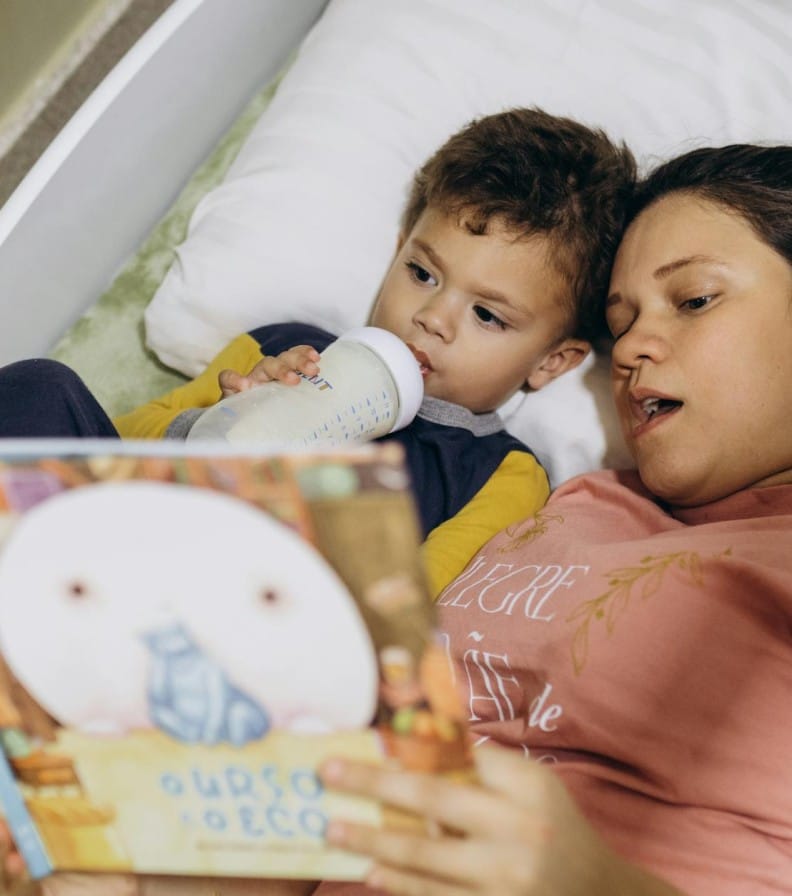
    A mother reads a bedtime story to her child while he drinks milk, creating a cozy and bonding moment.

    Early success builds confidence. Confidence leads to a love of reading. This creates a self-sustaining cycle of learning. Your child will start to see books as sources of joy rather than sources of pressure.

    Comparing the Approaches

    To help you visualize the shift, consider the difference between the old way and the new way. The table below highlights the key distinctions between 'Drill Mode' and 'Story Mode'.

    FeatureDrill ModeStory Mode
    FocusIsolated symbolsCharacters and context
    EmotionFrustration, pressureCuriosity, joy
    Memory TypeShort-term spikeLong-term association
    EngagementPassive recognitionActive imagination
    OutcomeForgetfulnessLasting literacy skills

    Final Thoughts

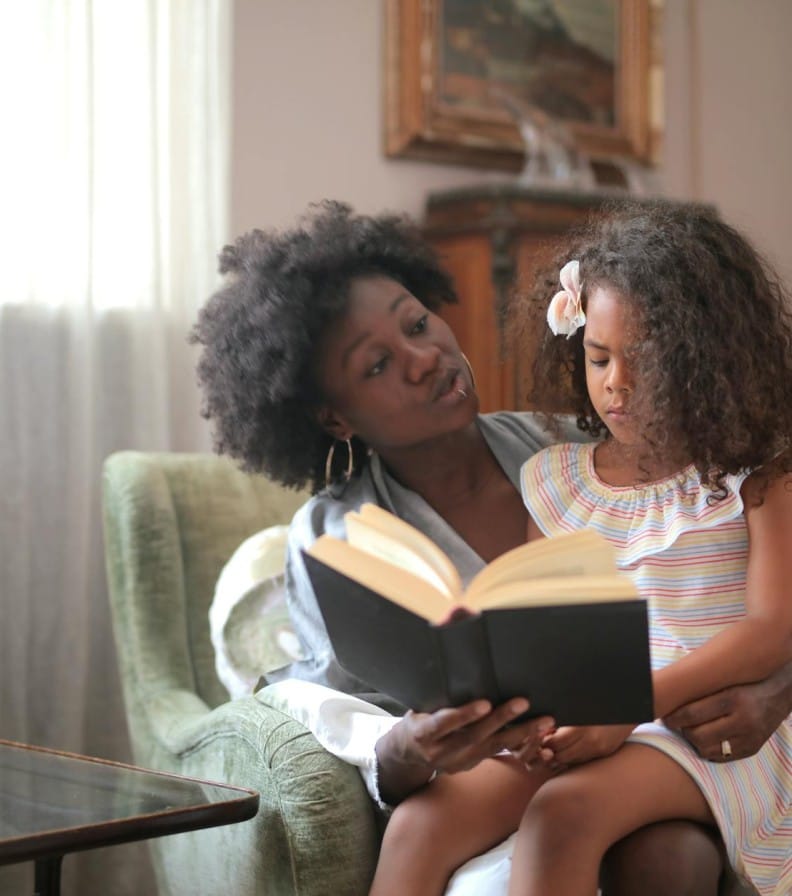
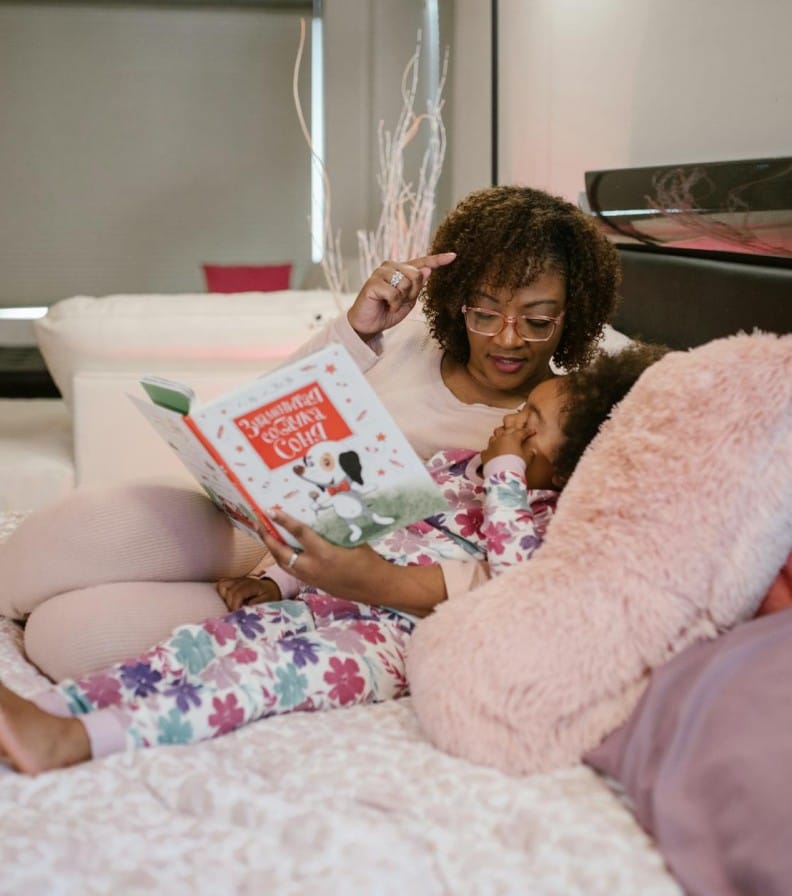
    An African American mother reads a storybook to her daughter on a sofa, creating a warm bonding moment.

    You are not a failing teacher. You are a parent who cares deeply about your child's future. By shifting from drills to stories, you are giving your child the tools they need to succeed. The letters will stick because they are now part of a world your child loves to explore.

    Start small. Pick one story. Assign one letter. Let the adventure begin. Your child's reluctance will turn into curiosity, and their literacy skills will compound over years of learning.

    A Special Resource for Your Journey

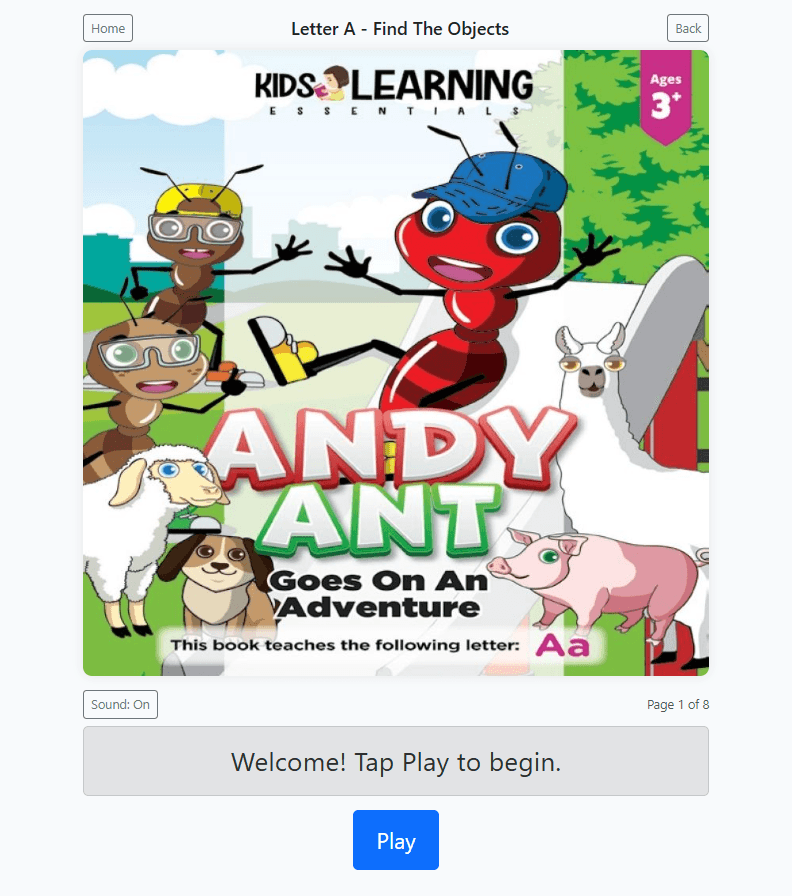
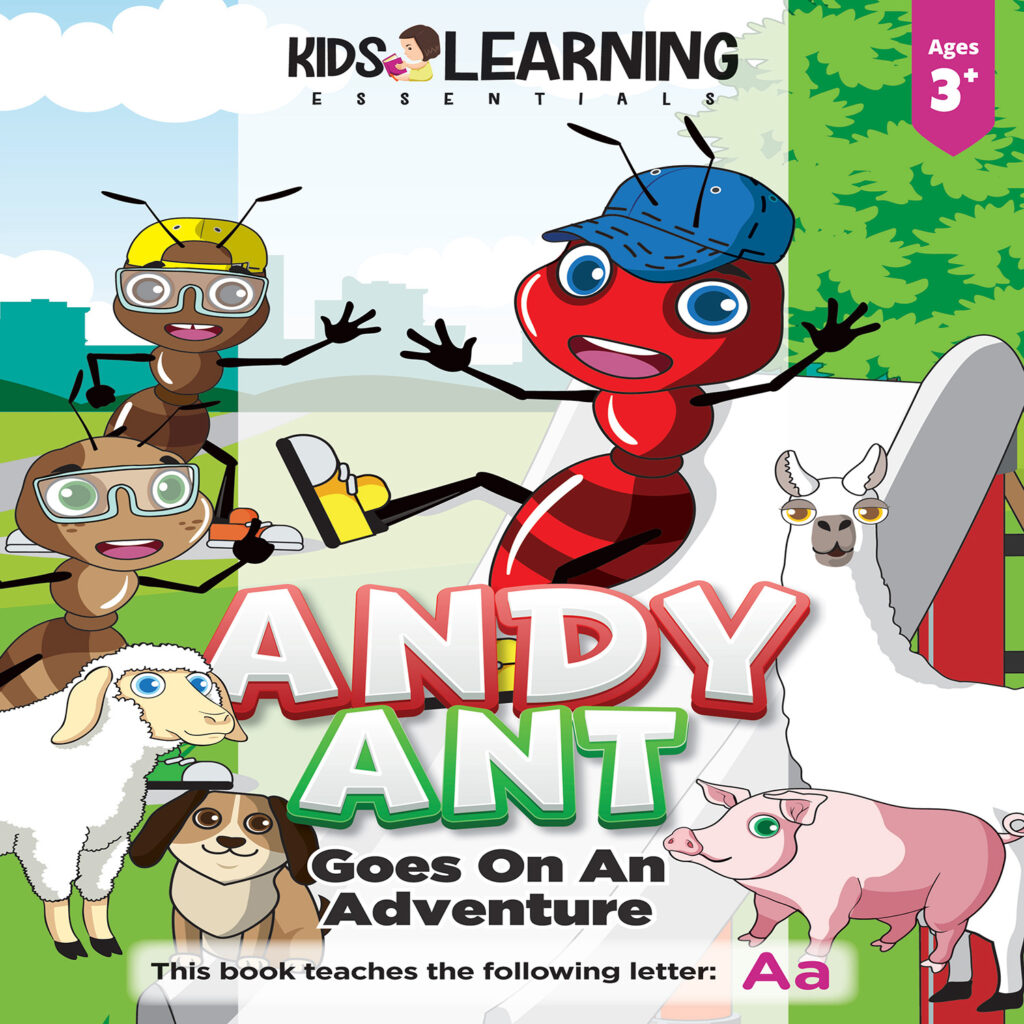
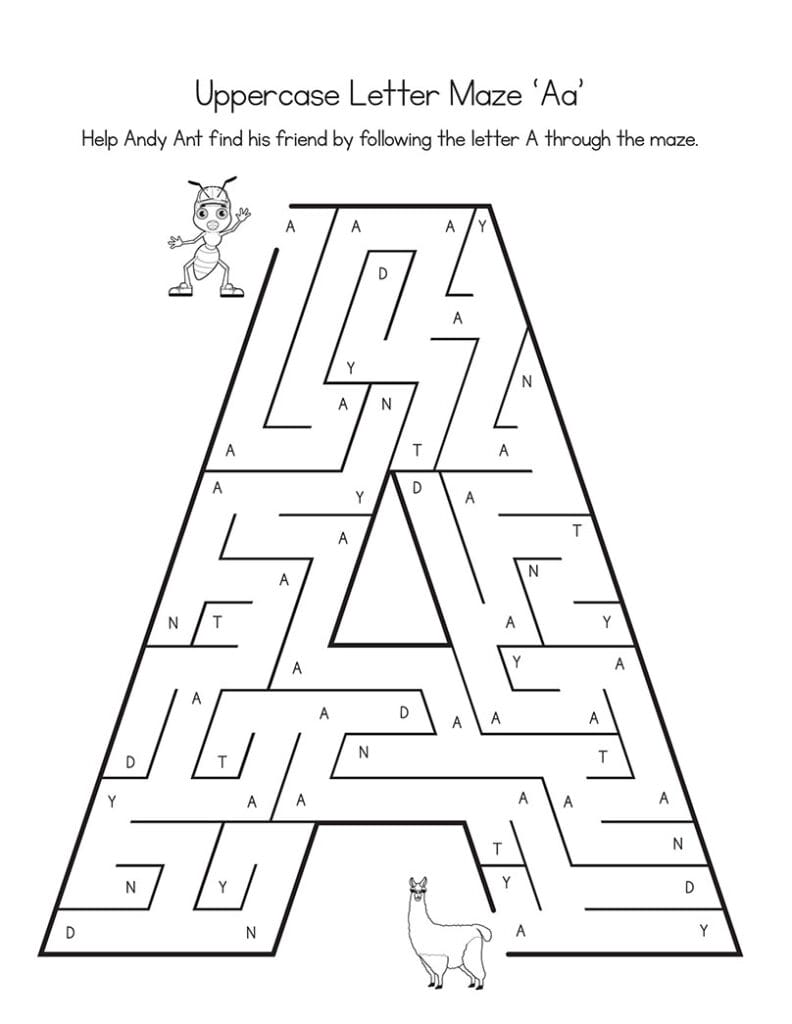
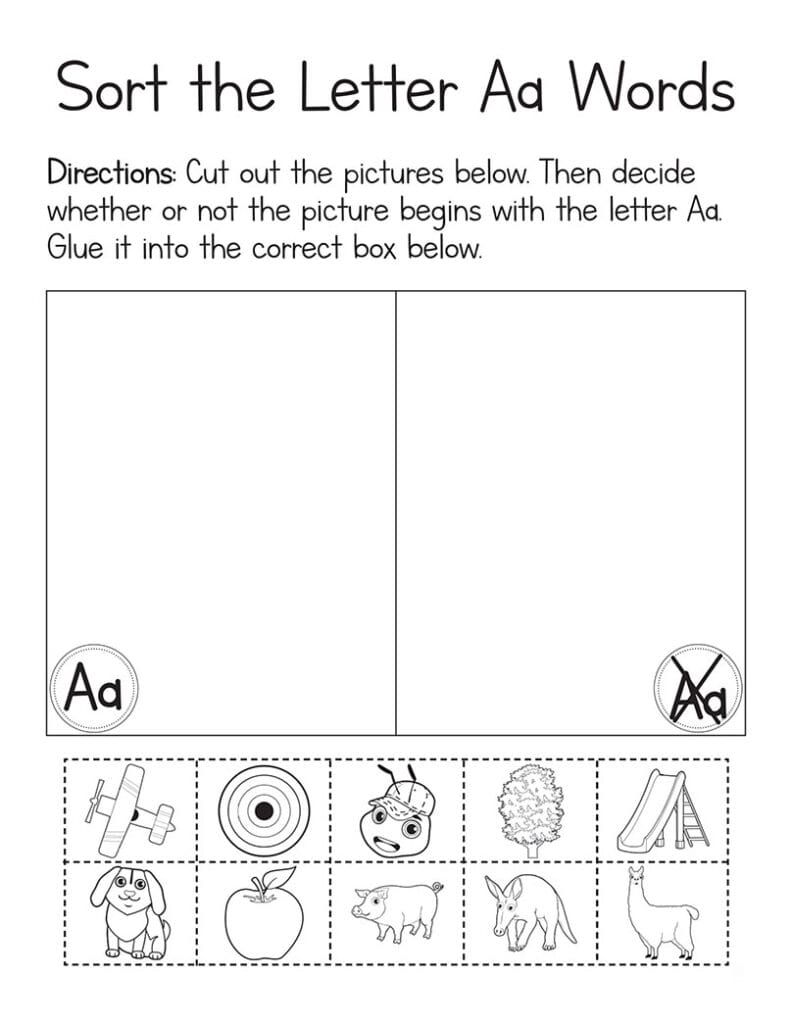
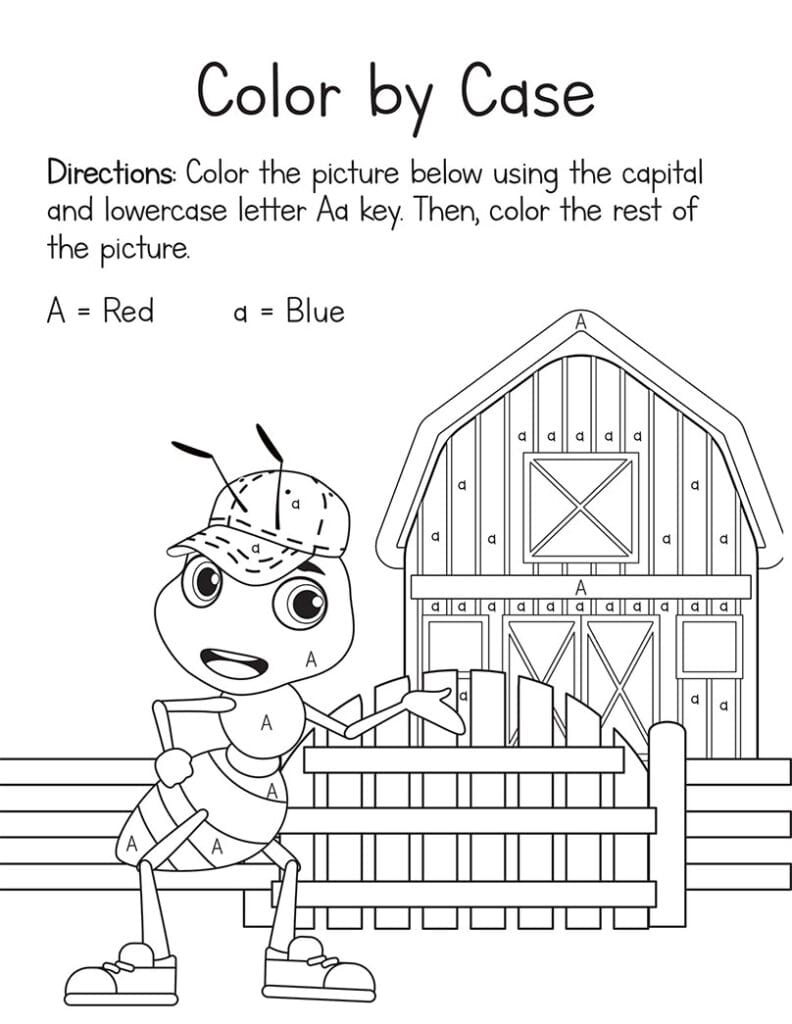
    If you are looking for a concrete way to start this journey, there is a resource designed specifically for this purpose. Kids Learning Essentials is offering the kids book Andy Ant Goes On An Adventure while supplies last.

    This book is perfect for the strategies we discussed. It features distinct characters and a simple plot that makes it easy to link letters to actions. Just use the promo code READS at checkout to make your total $0.00. Delivered instantly through their digital bookshelf—no downloads, apps, or printing required!

    Get it at https://kidslearningessentials.com/andy-ant-goes-on-an-adventure/ and start turning those letters into friends today.

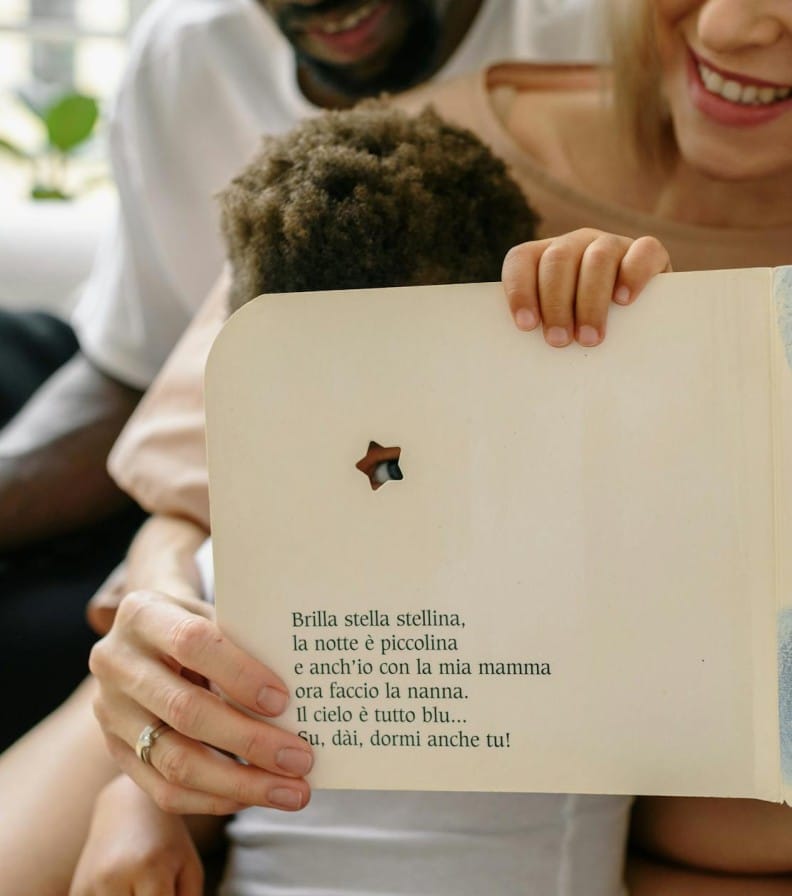
    A joyful family bonding moment with parents and child reading in a cozy indoor setting.
  • How to Use Storytelling to Transition from Letter Names to Sounds

    The Moment You Realize the Connection Isn't Happening

    Decision pointWhat to compareWhy it matters
    The Moment You Realize the Connection Isn't HappeningThe real cost, timing, and tradeoff in your situationIt keeps the choice grounded in what you can act on.
    The Trap of the Alphabet SongThe short-term comfort against the long-term upsideIt helps you see what you might be paying to avoid change.
    The Screen Time FactorThe next small step that gives you better informationIt turns a stressful decision into a practical plan.

    You are sitting with your child, pointing to a letter on a page, and expecting a sound. Instead, you get a letter name. You say, "Look at the B," and your child replies, "Bee." You try again with the C, and they say, "See." You feel a familiar knot of frustration tighten in your chest. You know that reading requires sounds, not names, but the connection simply isn't happening. You start to wonder if you are failing to teach this right.

    This is a very specific stumbling block. It is not a lack of intelligence. It is a cognitive habit formed by rote memorization. Your child has mastered the sequence of the alphabet song, but they have not yet learned the phonetic value of the letters. The brain is prioritizing the label over the sound because the label is easier to memorize in isolation.

    "The brain resists isolating abstract sounds without meaningful context."

    This is the core concept you need to understand right now. Letter names are arbitrary labels we assign to symbols. Sounds, however, are abstract auditory patterns that require decoding skills to connect to those labels. When you ask your child to connect a letter to a sound, you are asking their brain to do heavy lifting without a framework. The brain needs a structure to encode these sounds, and currently, it is building a wall of letter names instead of a bridge of sounds.

    The Trap of the Alphabet Song

    A mother and young son enjoy reading a book together in a cozy indoor setting.

    You likely started teaching reading with the alphabet song. It is catchy, rhythmic, and easy to learn. But it teaches letter names, not sounds. When your child sings "A-B-C-D-E-F-G," they are reciting a sequence of labels. They are not hearing the /a/, /b/, /c/ sounds that make up words.

    This creates a barrier where the child recites labels instead of decoding. When they see a word like "cat," they might try to read it as "C-A-T" (the names) rather than /k/ /a/ /t/ (the sounds). This is why they stumble. They are trying to read a code they haven't learned yet.

    The Screen Time Factor

    You mentioned that your child has had too much screen time, and you suspect it has contributed to this reluctance. Excessive screen time often replaces the interactive decoding practice needed for phonological awareness. When a child watches a video, they are a passive consumer. They are absorbing information without building the neural pathways for sound-symbol integration.

    Passive consumption does not build the neural pathways for sound-symbol integration. Your child is used to watching characters speak, but they are not practicing the active work of breaking words apart. Transitioning to active storytelling reverses this passive habit. It forces the brain to engage, to listen, and to connect.

    Why Stories Are the Bridge to Decoding

    A warm, intimate moment of a child and parent reading a bedtime story together.

    You need to shift your perspective from "teaching failure" to "teaching opportunity." You are not failing; you are just using the wrong tool. Stories are the bridge. How does a story help your child hear the sounds you are trying to teach?

    Stories provide the emotional and contextual framework necessary for the brain to encode abstract sounds. When you read a story, you are not just reading letters; you are entering a world. Meaningful context makes the sound-symbol connection easier to remember. The "Phonological Loop"—the part of the brain that holds sounds in memory—works best when information is wrapped in a narrative.

    Context Over Isolation

    Sounds are abstract; they need a home. Isolating sounds, like saying "Say /b/" in a vacuum, is hard work for the brain. It feels like asking a child to hold a heavy stone in their hand without a reason. Embedding sounds in a story makes them concrete and memorable. The sound becomes part of the action, part of the plot.

    The Emotional Safety of Storytime

    A joyful family reading a children's storybook together indoors, showcasing affection and warmth.

    Shame and pressure block learning. When you push your child to read a word and they fail, they feel stupid. They shut down. A story creates a safe space where mistakes are part of the plot. If a character in the book makes a mistake, the child learns that errors are okay. This safety allows the child to focus on decoding without anxiety.

    Strategy 1: The Sound-Character Link

    You want to make the sound stick without drilling. How do you do that? You anchor the sound to a character. This is your first high-impact strategy.

    Create a character whose name starts with the target sound. For example, if you are working on the /b/ sound, you might create a character named Barnaby. You highlight this character in the story so the child associates the sound with a meaningful narrative anchor. This turns an abstract sound into a concrete friend.

    Building the Character

    A child and adult reading an illustrated storybook together in a cozy setting.

    Choose a character name that clearly starts with the target sound. Describe the character's actions using words that start with that sound. Make the character the hero of the specific sound lesson. If you are working on the /s/ sound, introduce a character named Sammy Snake. Point out every time Sammy slithers or slithers. The child hears /s/ repeatedly in a fun, narrative context.

    Example: The 'S' Sound

    Introduce a character named Sammy Snake. Point out every time Sammy slithers or slithers. The child hears /s/ repeatedly in a fun, narrative context. This is not a drill; it is a story. The child is not being forced to repeat sounds; they are following a character on an adventure.

    Strategy 2: Echo Reading Sounds

    A child reads a colorful storybook with an adult's guidance, learning and bonding.

    Now that you have a character, you need to pause and emphasize the sound. This is your second high-impact strategy: Echo Reading Sounds. During read-aloud, pause and echo the beginning sound of key words out loud with the child, emphasizing the sound within the story context rather than isolation.

    The Pause Technique

    Stop reading when you encounter a key word. Ask the child to identify the sound. Echo the sound clearly and enthusiastically. For example, if you are reading about a "sun," pause and say, "/s/ /u/ /n/!" Make the sound part of the rhythm of the story.

    Contextual Emphasis

    A joyful father and daughter reading a storybook in a cozy bedroom setting, sharing a happy moment.

    Say the sound in the rhythm of the story. Connect the sound to the action in the book. Avoid drilling; keep it fluid and narrative-driven. If the character is running, and the word is "run," emphasize the /r/ sound. "/r/ /u/ /n/! Look at him run!"

    Strategy 3: Consistent Storytime Slots

    You need a routine. This is your third high-impact strategy: Consistent Storytime Slots. Protect a daily ten-minute storytelling slot, establishing a routine that consistently reinforces sound-letter connections without pressuring the child for immediate mastery.

    The Power of Ten Minutes

    A loving same-sex couple engages in a storybook session with their baby indoors.

    Short, frequent sessions are more effective than long, sporadic ones. Ten minutes is enough to build momentum without causing fatigue. Consistency builds the neural pathways for decoding. You do not need to spend an hour every day; you need to spend ten minutes every day.

    Low-Pressure Reinforcement

    Focus on the joy of the story, not the lesson. Let the sound connections happen naturally. Celebrate small wins to build confidence. If your child points out a sound, praise them for listening. If they miss one, gently guide them back without making them feel bad.

    The Long-Term Payoff: Cognitive Capital

    A mother reading a storybook to her toddler daughter indoors, depicting a cozy storytelling moment.

    You might be wondering if this is worth the effort. Why is this worth the effort now? Phonemic awareness and sound-letter integration are foundational cognitive capital. This asset fuels decoding ability, which accelerates vocabulary acquisition and comprehension over years.

    Decoding as a Compound Asset

    Each sound-letter connection made today makes tomorrow's reading easier. Fluent reading accelerates vocabulary acquisition. Comprehension improves as decoding becomes automatic. You are building a compounding asset. The more you practice, the easier reading becomes.

    From Reluctant to Eager

    A loving mother reads a bedtime story to her daughter, creating a warm bonding moment.

    Success breeds confidence. Confidence breeds a love of reading. The cycle of success replaces the cycle of struggle. Your child begins to decode words naturally by connecting sounds to letters within the emotional safety and context of a story. They stop seeing reading as a chore and start seeing it as a tool for adventure.

    Your Next Step: Start the Adventure

    You are not failing; you are just using the wrong tool. Stories are the right tool. Review the three strategies: Sound-Character Link, Echo Reading, and Consistent Slots. Pick one story to start with today. Remember, you are not failing; you are just using the wrong tool. Stories are the right tool.

    "You have the power to change the trajectory of your child's reading journey. Start small, stay consistent, and trust the process. Your child is ready to learn when the context is right."

    Get the Right Tool for the Job

    Smiling ethnic crop woman hugging playful girl while reading interesting story together near black wall during free time in apartment

    Kids Learning Essentials is offering the kids book 'Andy Ant Goes On An Adventure' while supplies last. Use the promo code READS at checkout to make your total $0.00. Delivered instantly through their digital bookshelf—no downloads, apps, or printing required! Get it at https://kidslearningessentials.com/andy-ant-goes-on-an-adventure/

    This book is perfect for starting your journey. It is designed to help your child connect sounds to letters in a fun, engaging way. Use it to build the foundation your child needs to become a fluent, independent reader. Start today, and watch your child's confidence grow.

    A Quick Reference for Your Routine

    To help you get started, here is a simple checklist for your next storytime session:

    1. Pick a Target Sound: Choose one sound to focus on for this specific session (e.g., /b/ or /s/).
    2. Identify a Character: Look for a character whose name starts with that sound, or create one mentally.
    3. Pause and Echo: When you see a word starting with that sound, pause and say the sound clearly.
    4. Keep it Short: Set a timer for ten minutes and enjoy the story without pressure.
    5. Celebrate the Win: Praise your child for listening, not just for getting it right.
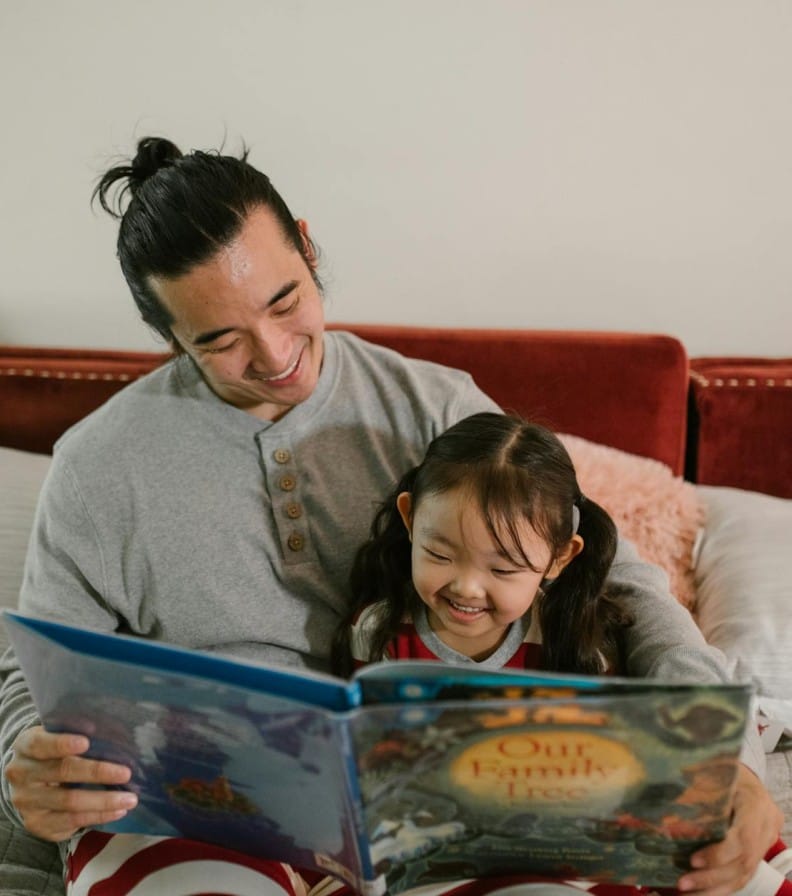
    A father and son sharing a tender moment reading a bedtime story together.
  • How to Use Characters and Themes to Teach Letters Effectively

    Why Your Child's Brain Is Rejecting Letter Drills

    You've likely noticed the pattern. You sit down with flashcards, expecting a flash of recognition. Instead, your child's eyes glaze over, or they retreat into the glowing rectangle of a tablet. You feel the tension rising in your chest. You wonder, "Why can't they get this? Am I making this worse?"

    The frustration is real, but the answer isn't a lack of effort on your part or a lack of intelligence in your child's. It is a fundamental mismatch between how you are teaching and how the brain is built to learn.

    The brain is an energy-conserving machine. It filters out what it deems 'boring' or irrelevant to save energy for survival and high-priority tasks. When you present an isolated letter 'B' on a white card, the brain categorizes it as low-priority data. It has no emotional charge, no story, and no context. Consequently, it rejects the input.

    "The brain prioritizes meaningful, emotionally charged input over isolated facts. Letters connected to characters and themes activate narrative processing pathways that enhance memory consolidation."

    This is not a failure of the child's ability. It is a failure of presentation. When you push a reluctant reader, you are often reinforcing the negative association they already feel toward reading. The shame and tension create a physiological block that makes learning impossible, regardless of how hard they try.

    The Myth of 'Just Trying Harder'

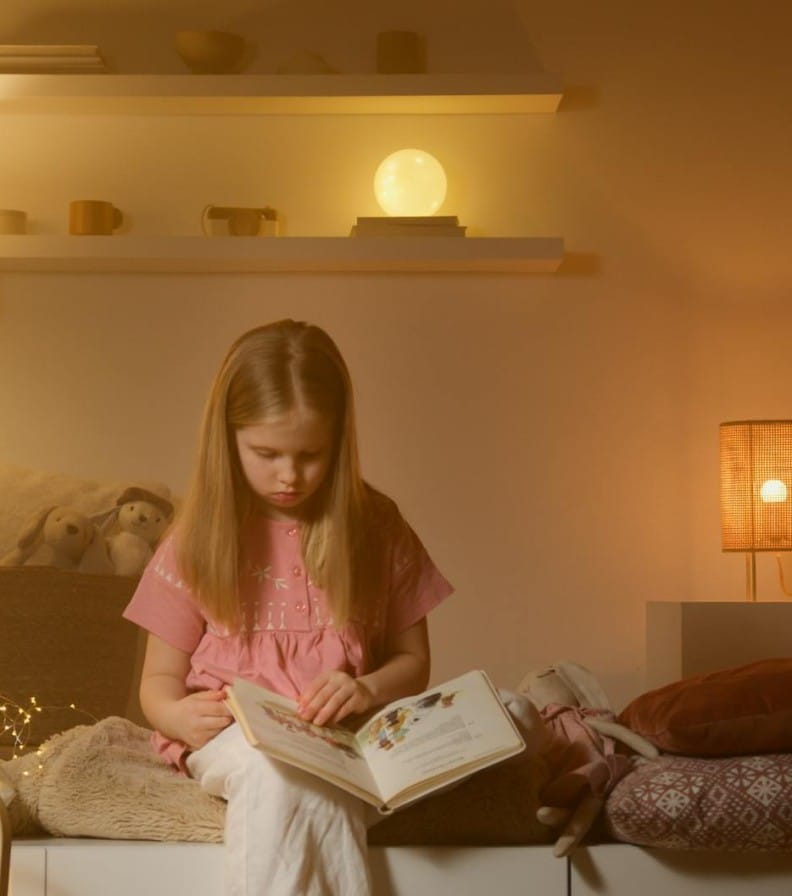
    A young girl reading a book in a warmly lit bedroom, creating a cozy and calm atmosphere.

    You might think that if your child just tried harder, the letters would stick. But effort without context leads to frustration, not progress. Pushing a reluctant reader often reinforces the idea that reading is a chore to be endured rather than a world to be explored.

    The Science of Story-Based Memory

    To fix this, you need to understand the mechanism of memory. When your child watches a cartoon, they aren't just looking at pictures; they are processing a narrative. Their brain is tracking a character, predicting what happens next, and feeling emotion. This is 'narrative processing.'

    When you introduce a letter within that narrative, the letter becomes part of the story. It gains a hook. It becomes a symbol with meaning, not just a shape to be memorized. This is where the concept of 'cognitive capital' comes in. By investing time in stories, you are building a foundation that scaffolds pattern recognition, symbolic understanding, and vocabulary growth.

    From Isolated Facts to Connected Knowledge

    A young boy reads a children's storybook next to a window, illuminated by warm lights.

    Imagine the letter 'A' not as a shape, but as the name of a specific character, like an Ant. Suddenly, the letter is part of a larger semantic web. Vocabulary grows naturally within the story context. Your child isn't memorizing a list; they are expanding their understanding of the world.

    Strategy 1: Character Anchoring

    The first step is to anchor the letter to a character. This turns a dry fact into a living entity. You need to select a character whose name starts with the target letter. For example, if you are teaching the letter 'B', you choose a Bear. If you are teaching 'C', you choose a Cat.

    Tell or read simple stories involving that character, emphasizing the letter's sound and shape. Use the character as a mascot for the letter throughout the day. This creates a consistent emotional link that the brain can latch onto.

    Building a Character Library

    Unrecognizable ethnic mother hugging little girl and reading interesting book while sitting on couch near wall during weekend in apartment

    You don't need to invent everything from scratch. You can start with familiar characters from books or shows that your child already loves. Then, you can create simple original characters for specific letters that might not have a famous counterpart.

    Here are some examples to get you started:

    • B: Bear, Ball, Bunny
    • C: Cat, Cow, Cloud
    • D: Dog, Duck, Drum
    • F: Fox, Fish, Frog
    • G: Goat, Giraffe, Ghost
    • H: Horse, Hat, House
    • J: Jellyfish, Jaguar, Jack
    • K: Kangaroo, Kite, King
    • L: Lion, Ladybug, Lamp
    • M: Monkey, Mouse, Moon
    • N: Narwhal, Nest, Night
    • O: Owl, Octopus, Orange
    • P: Penguin, Pig, Plane
    • Q: Queen, Quail, Question Mark
    • R: Rabbit, Robot, Rocket
    • S: Snake, Star, Sun
    • T: Tiger, Train, Tree
    • U: Umbrella, Unicorn, Umpire
    • V: Vulture, Van, Violin
    • W: Whale, Worm, Window
    • X: X-ray, Xylophone, X-Men
    • Y: Yak, Yacht, Yoyo
    • Z: Zebra, Zucchini, Zoo

    Strategy 2: Theme-Based Letter Hunts

    Once you have your characters, you can expand the learning into your physical environment. You can turn your house into a learning environment by using household objects related to a theme. Choose a theme, such as animals, food, or vehicles.

    Identify items in the home that begin with the target letter. Connect visual and semantic cues by naming the object and its letter sound. For instance, if you are hunting for 'F' words, point out the Fork, the Fan, and the Floor.

    Creating a Themed Hunt Checklist

    A young girl in pajamas reading a storybook in a warm, cozy bedroom setting.

    To keep this manageable, pick one theme per session to maintain focus. Encourage the child to find and name items. This turns the learning into a game of discovery rather than a test.

    Theme CategoryTarget LetterExample Items to Hunt For
    KitchenBBread, Bowl, Butter, Banana
    BathroomSSoap, Sponge, Shower, Sink
    BedroomPPillow, Pants, Picture, Pen
    Living RoomCCouch, Clock, Chair, Carpet
    OutsideTTree, Truck, Tent, Turtle

    Strategy 3: Steady Story Slots

    Consistency is the key to building neural wiring. You need to dedicate a consistent brief time daily for these themed interactions. Aim for 10-15 minutes daily. Emphasize gentle repetition and patience rather than hurried mastery.

    Setting Up a Daily Ritual

    A father and child share a warm moment reading together before bedtime.

    Choose a specific time of day, perhaps before bed or right after breakfast. Keep the environment calm and distraction-free. Here is how to set it up:

    1. Select a specific time of day (e.g., before bed).
    2. Choose a quiet corner of the room.
    3. Gather your character books or props.
    4. Set a timer for 15 minutes.
    5. Begin the story or hunt with full attention.

    Overcoming the Screen Time Trap

    You mentioned that your child has too much screen time, which has contributed to their reluctance. This is a common trap. Passive consumption of screens often replaces active creation. To fix this, you must replace passive consumption with active creation.

    Use the 'character anchoring' strategy to make letters as engaging as cartoons. Focus on the tactile and auditory experience of stories. When your child is actively creating a story about a Bear, they are engaging their imagination in a way that a passive video cannot match.

    "Transitioning from passive to active learning is not about punishment; it is about offering a better, more engaging alternative that satisfies the brain's need for narrative and connection."

    Start with short, high-interest character stories. Gradually increase the complexity of the narratives as your child's confidence grows.

    Building a Foundation for Fluent Reading

    Child enjoying a book inside a cozy illuminated tent in a softly lit room.

    By investing minutes per day in character-themed letter play, you are compounding into lasting neural wiring. This approach scaffolds pattern recognition and symbolic understanding. It accelerates the trajectory toward fluent reading.

    The Path to Confidence

    The ultimate goal is a calm, confident home learning environment. Confidence grows as the child sees progress. Shame is replaced by curiosity and engagement. Your child will begin to see letters not as obstacles, but as keys to unlocking stories they love.

    This is the shift you need. You are not just teaching letters; you are rebuilding your child's relationship with reading itself.

    Ready to start this journey?

    Kids Learning Essentials is offering the kids book Andy Ant Goes On An Adventure while supplies last. Just use the promo code READS at checkout to make your total $0.00. Delivered instantly through their digital bookshelf—no downloads, apps, or printing required! Get it at https://kidslearningessentials.com/andy-ant-goes-on-an-adventure/

    Use this book to anchor your 'A' lessons and watch your child's confidence soar.

    Two children enjoy reading in a cozy indoor playroom tent, surrounded by soft lighting.
  • The Impact Of Using Stories To Teach The Letters Of The Alphabet

    Why Your Child Is Struggling With Flashcards And Rote Memorization

    You've watched the frustration build. You hold up a flashcard with a letter on it, expecting recognition, but your child's eyes drift away. They zone out, looking for something more interesting on the screen they just put down. This moment triggers a familiar spike of parental anxiety. You start to wonder if your child is falling behind, if they are a "slow learner," or if you have made a mistake by allowing too much screen time.

    Let's be clear about what is happening here. The struggle is not a reflection of your child's intelligence. It is a mismatch between the teaching method and the way the human brain naturally processes information. Your child is reacting to a style of learning that ignores their reality.

    The Myth Of The 'Slow Learner'

    A young girl reading a book in a warmly lit bedroom, creating a cozy and calm atmosphere.

    First, you need to drop the idea that your child lacks ability. They are not failing because they are incapable; they are failing because the medium is wrong. The human brain is wired for narrative, not isolated data points.

    When you present a letter as a sterile shape on a card, you are asking the brain to memorize an abstract symbol without context. Letters are abstract symbols that lack meaning without context. Rote memorization creates short-term retention, but it fails to build the long-term memory connections required for true literacy. Your child isn't slow; they are simply trying to process information in a way that feels disconnected from their world.

    The Screen Time Trap

    You mentioned that screen time has contributed to this resistance. That is a crucial piece of the puzzle. Excessive screen time trains the brain to expect instant gratification and passive input. When a child scrolls through a feed, they are consuming content without effort.

    Active learning tasks like flashcards feel frustrating and unrewarding to a brain used to scrolling. The brain expects a reward immediately after the action, but flashcards offer a delay. This creates a cycle of disengagement. You are trying to force a passive consumption habit into an active learning task, and the friction causes the resistance you see.

    How Stories Transform Abstract Symbols Into Meaningful Memories

    A young boy reads a children's storybook next to a window, illuminated by warm lights.

    So, how do you fix this? You need to change the medium. You need to move from isolated symbols to a narrative context. This is where stories come in.

    Stories provide the "why" and the "how" that glue these symbols into long-term memory. When you tell a story, you are not just showing a letter; you are showing a character, a journey, and a purpose. The brain remembers the story, and the letter becomes an integral part of that memory.

    "Literacy is not just about reading words; it is about building a foundation for a lifetime of independent learning. Stories bridge the gap between a child's imagination and the printed page."

    This shift is the key to reversing the effects of screen time. Instead of fighting the brain's desire for narrative, you are using it. You are turning passive observation into active participation. Your child stops seeing letters as boring shapes and starts seeing them as characters in a world they can enter.

    The Power Of Narrative Association

    Think about the difference between a static object and an active character. If you teach the letter 'A' as just a shape, it is abstract. But if you link the letter to an active character, it becomes alive.

    For example, the letter 'A' isn't just a shape; it's the Ant who goes on an adventure. By linking a letter to an active character rather than a static object, you give the letter a personality and a purpose. Your child remembers the Ant because they care about the Ant's journey. The letter becomes a vessel for the story, making it impossible to forget.

    Building Cognitive Capital

    Unrecognizable ethnic mother hugging little girl and reading interesting book while sitting on couch near wall during weekend in apartment

    This approach builds what we call cognitive capital. Literacy is not just about reading words; it is about building a foundation for a lifetime of independent learning. When you use stories, you are investing in your child's ability to learn how to learn.

    Stories bridge the gap between a child's imagination and the printed page. They show the child that reading is an act of exploration, not a chore. This foundation is what allows your child to eventually tackle complex texts with confidence, knowing that they have the tools to decode the world around them.

    Three High-Impact, Low-Effort Strategies To Build Literacy

    You don't need to overhaul your entire day to make a difference. You need high-impact, low-effort strategies that you can implement immediately. These three methods are designed to be easy to do but highly effective in building literacy.

    Strategy 1: Narrative Association

    A young girl in pajamas reading a storybook in a warm, cozy bedroom setting.

    Start by creating a character for each letter. This sounds simple, but it changes everything. Give the character a personality and a story. Instead of saying "This is the letter B," say "This is Barnaby the Bear, who loves to bounce."

    Create a character for each letter. Give the character a personality and a story. This turns the letter into a friend. Your child will want to know what happens next in Barnaby's life, and in doing so, they are absorbing the shape and sound of the letter without realizing they are studying.

    Strategy 2: Multisensory Engagement

    Engage the senses to reinforce memory. Drawing letters in sand or air while recounting the story is a powerful technique. When you draw the letter in the air, you are connecting the visual shape with the physical movement.

    Draw letters in sand or air while recounting the story. Engage multiple senses to reinforce memory. This tactile experience helps the brain encode the letter more deeply. It moves the learning from the eyes to the whole body, making the memory stickier and more resilient.

    Strategy 3: Consistency Over Intensity

    A father and child share a warm moment reading together before bedtime.

    Finally, focus on consistency rather than intensity. Ten minutes of joyful storytelling beats an hour of frustrated drilling. Make it a daily habit, not a weekly event. Short, frequent sessions keep the momentum going without overwhelming your child or you.

    Ten minutes of joyful storytelling beats an hour of frustrated drilling. By keeping sessions short and positive, you ensure that your child associates literacy with joy, not stress. This consistency builds a habit that lasts a lifetime.

    FeatureTraditional Flashcard MethodStory-Based Narrative Method
    FocusIsolated symbolsActive characters and plots
    Memory TypeShort-term retentionLong-term memory connections
    Emotional StateFrustration and boredomCuriosity and engagement
    Brain WiringPassive consumptionActive participation
    OutcomeSurface-level recognitionDeep understanding and love for reading

    Overcoming The Fear Of Failure And Building Confidence

    Even with the best strategies, you might worry that your child still won't like reading. This fear is natural, but it is not necessary. Confidence comes from success, not perfection. You need to focus on small wins to build momentum and a love for learning.

    The Importance Of Patience

    Child enjoying a book inside a cozy illuminated tent in a softly lit room.

    Learning is a journey, not a destination. You must be patient with the process. Celebrate small victories along the way. When your child recognizes a letter in a story, celebrate that moment. Acknowledge the effort they put into listening and engaging.

    Learning is a journey, not a destination. Celebrate small victories along the way. This positive reinforcement builds the confidence your child needs to tackle harder challenges later. Patience allows the cognitive capital to accumulate naturally over time.

    Building A Love For Learning

    Focus on the joy of discovery, not the pressure of performance. Create a positive environment for learning where mistakes are seen as part of the process. When your child feels safe to explore, they will take risks and learn faster.

    Focus on the joy of discovery, not the pressure of performance. Create a positive environment for learning. This environment fosters a genuine love for reading that will sustain your child through the years. It transforms the act of reading from a task into a treasure hunt.

    You've been told how the system works; now it's time to see how it works for your child. Don't take our word for it—check the pedagogy, verify the steps, and challenge the idea that your child isn't "ready." We're here to provide the blueprints so you can stop guessing and start building a foundation of literacy that belongs to your family.

    Kids Learning Essentials is currently offering our flagship kids' book, Andy Ant Goes On An Adventure, while supplies last. Just use the promo code READS at checkout to make your total $0.00. Delivered instantly through our digital bookshelf—no downloads, apps, or printing required!

    Get it here: https://kidslearningessentials.com/andy-ant-goes-on-an-adventure/

    Follow us to stay in the loop and keep taking the next step toward your child's love of reading. Don't hesitate to reach out if you have questions—we are here to support you on this journey.

    Use this quick checklist before you decide:

    • Name the result you want from the decision.
    • Compare the full cost, not only the obvious payment.
    • Choose the next step that gives you clearer information.
    Two children enjoy reading in a cozy indoor playroom tent, surrounded by soft lighting.
  • How to Turn Story Recall into a Game Your Child Will Beg to Play Again

    You’ve Become the Adventure Guide. Now It’s Time to Prove the Mission Was a Success.

    So, you did it.

    You took the playbook and ran with it. You stopped being a passive reader and became an active Adventure Guide. Your child is no longer just a listener; they are a detective, a sound scout, a co-pilot on the nightly story mission.

    You can feel the difference. They’re more engaged. They’re pointing, asking questions, and begging for “just one more page.”

    But then comes the nagging question that keeps parents up at night:

    Is any of this actually sticking?

    They seem to love it in the moment, but how do you know the learning is being cemented in their brain? How do you ensure the characters, the sounds, and the lessons from the letter ‘A’ don’t vanish by the time they wake up for breakfast?

    This is where you move to the second phase of the mission: The Post-Adventure Debriefing.

    This is how you lock in the learning, test comprehension without them ever knowing they’re being tested, and make the adventure so memorable they can’t help but master the material. And you do it with two powerful tools they will see as nothing but pure fun.

    Tool #1: The Comprehension Mission (“Find The Objects” Game)

    After you’ve read Andy Ant Goes On An Adventure, I want you to say this:

    “That was a great adventure! Now, let’s go on a special mission to find Andy and all the things he saw. I need your help.”

    Then, you open the KLE Gaming Platform.

    This isn’t a “game.” It’s a brilliantly disguised comprehension test. It’s your way of getting a direct report on how successful your reading adventure was.

    Here’s how it works:

    1. It presents a scene from the book you just read. The very same illustrations, fresh in their mind.
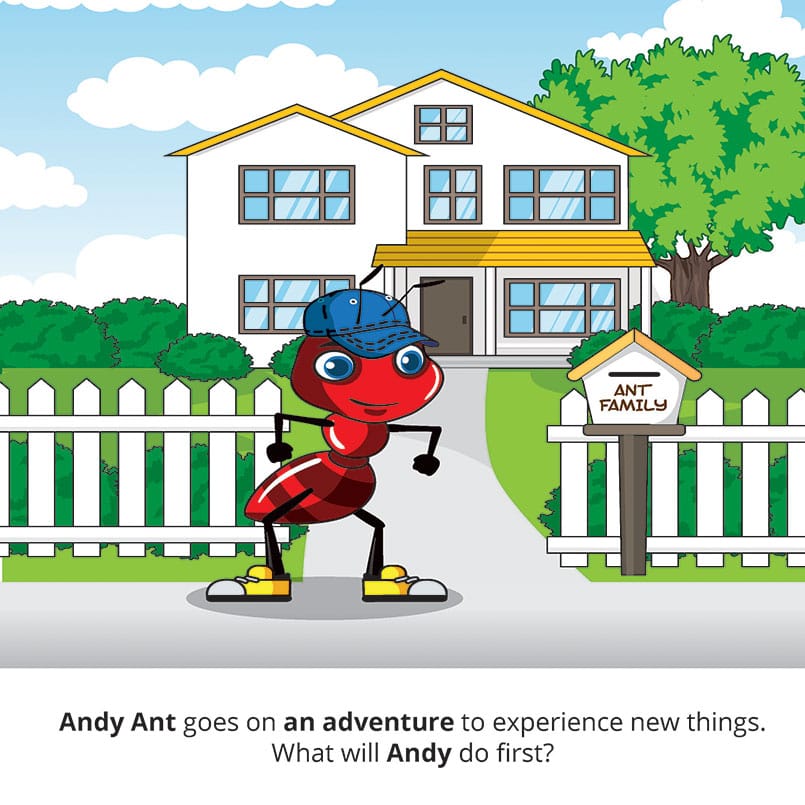
    2. It gives an audio command. A clear voice will say, “Find Andy Ant and his mailbox,” or “Find all the apples.”
    3. Your child becomes the hero. They tap the objects on the screen. With each correct tap, they get instant, positive sound reinforcement. There’s no “wrong answer” buzzer, no penalty for failure—only the satisfaction of a successful find.

    Think about what’s happening here. Your child isn’t just playing. They are:

    • Proving They Listened: They have to recall the specific objects from the story.
    • Strengthening Auditory Processing: They must understand the spoken command and translate it into action.
    • Boosting Visual Recall: They connect the word “apples” to the image of the apples they saw in the book minutes earlier.
    • Building Massive Confidence: The “You Did It!” screen at the end isn’t just a gimmick. It’s proof to your child that they succeeded. They were paying attention, and they won.

    This is the debriefing. It’s the report that confirms the mission was a success.

    Tool #2: Recreating the Adventure (Digital Coloring Pages)

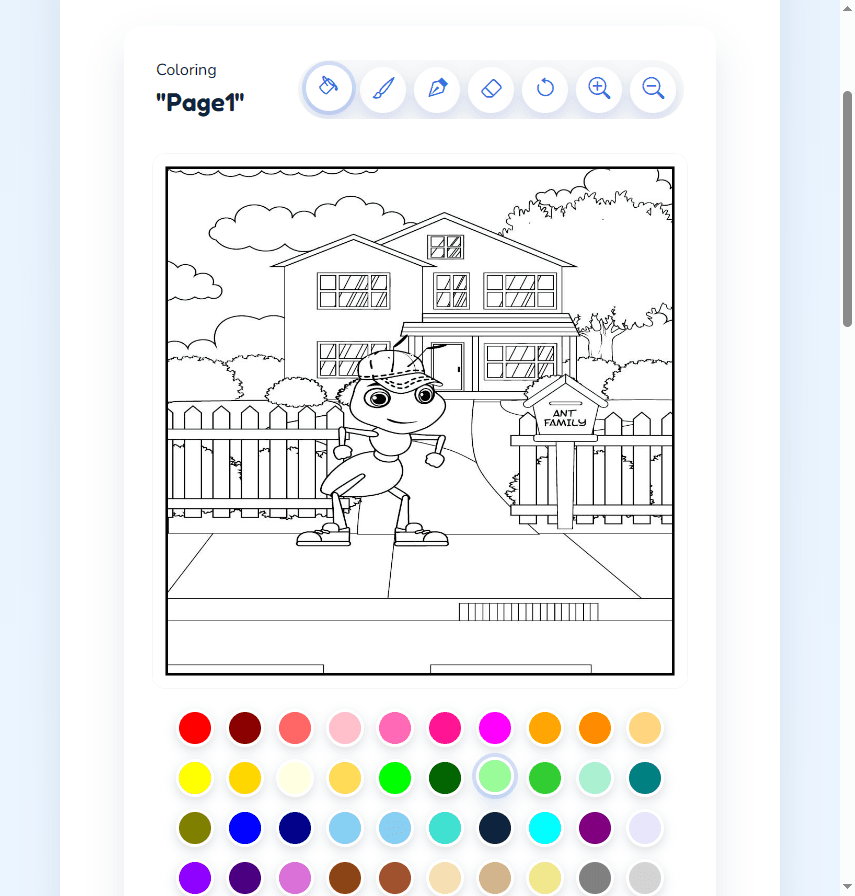
    Some lessons are learned through recall, others through creation. The Digital Coloring platform is your tool for creative reinforcement.

    The day after your Adventure Read-Through, open the coloring section in our app.

    Notice anything? These aren’t generic coloring pages. They are the exact scenes and objects from the book.

    When you hand your child a crayon, they’re not just coloring. They are reliving the story.

    As they use the fill tool to turn the grass green in front of Andy’s house, you have the perfect excuse to reinforce the narrative.

    You Say: “That looks great! What was Andy doing right before he left his house? Was he excited for his adventure?”

    This tool transforms passive coloring into an active conversation. As they color the apple red, you’re strengthening the word-object association. As they color the alpaca, you’re cementing the new vocabulary they learned.

    It’s another layer of the system, designed to deepen the connection between the story, the words, and your child’s memory.

    The Complete, Effortless System

    Your 5-day playbook just got a massive upgrade. The core remains the same: Read with a Mission, Connect to an Activity, Repeat.

    But now, your activity options are even more powerful:

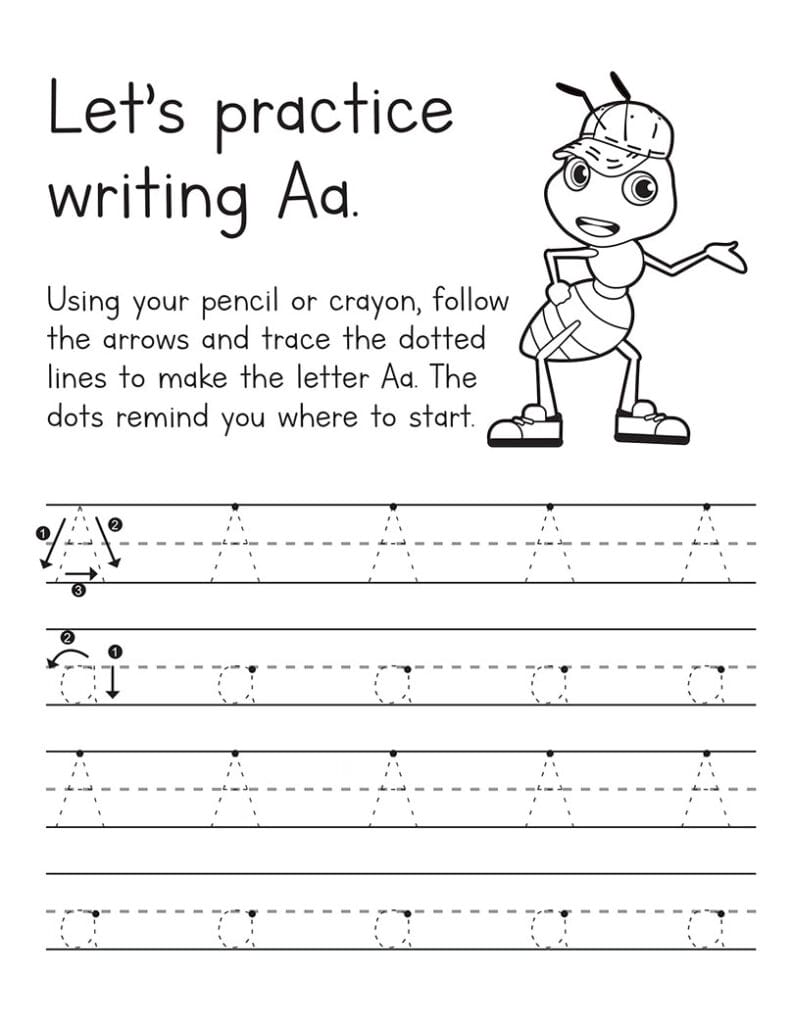
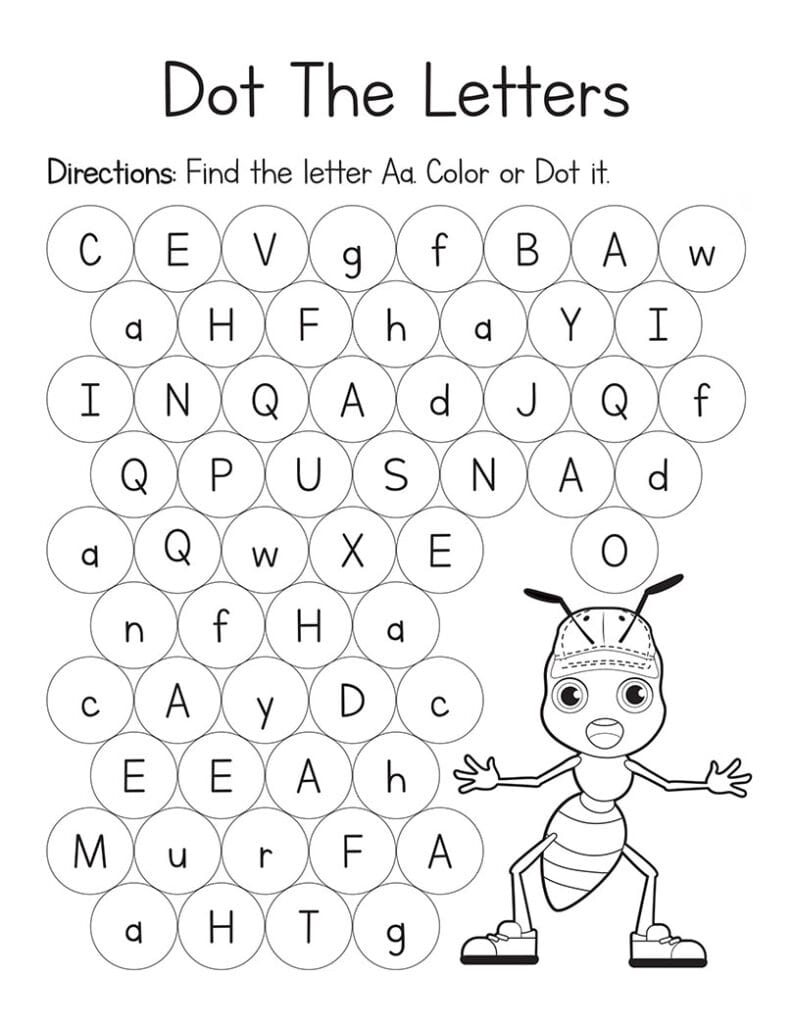
    • Day 1: Do the Adventure Read-Through and follow up with the physical worksheets to learn the shape of ‘A’.
    • Day 2: Reread the story. Then, launch the “Find The Objects” game as your debriefing mission.
    • Day 3: Reread the story. This afternoon, open the Digital Coloring Pages and ask, “Which part of Andy’s adventure should we color today?”
    • And so on…

    You mix and match. You use the tools that fit the moment. The result is a rich, multi-sensory learning loop that feels like pure play to your child, but acts as a sophisticated educational system working in the background.

    Story -> Interactive Reading -> Digital Reinforcement.

    This is how you build a learning experience that sticks. This is how you ensure your child doesn’t just hear the stories, but absorbs them.

    You’ve already proven you can be the guide. Now, use these tools to make the adventure unforgettable.

  • Unlocking the Joy of Reading: How Seeing Themselves in Stories Inspires Reluctant Readers

    Ever feel like books just don’t get you? When characters reflect your background, struggles, or culture, suddenly stories aren’t chores but adventures you care about. Seeing yourself in a story boosts confidence, sparks curiosity, and turns reluctant readers into fans. It’s like holding a mirror that says, “Hey, you belong here!” Curious how these tales build empathy and open doors to new worlds? Keep exploring, and you might just find your next favorite story waiting.

    Key Takeaways

    • Relatable characters reflecting readers’ backgrounds boost confidence and motivation in reluctant readers.
    • Diverse narratives create emotional connections, transforming reading into a meaningful and engaging journey.
    • Seeing personal struggles mirrored in stories fosters empathy and deeper reader engagement.
    • Inclusive books reduce reading barriers by resonating with familiar themes and experiences.
    • Offering choice-rich, culturally diverse stories encourages exploration and sustained interest in reading.

    The Power of Representation in Children’s Literature

    empowerment through diverse narratives

    Representation in children’s literature might not seem like a big deal at first glance, but have you ever stopped to think about how seeing yourself in a story can change the way you feel about reading? When you find characters who share your background, interests, or struggles, the representation impact is powerful—it makes the story feel personal and alive. Narrative diversity doesn’t just add variety; it opens doors to freedom, allowing you to explore different worlds while still feeling seen and understood. Imagine reading a book where the hero reflects your own experiences—that connection can spark excitement and motivation to dive deeper into stories. Without diverse narratives, reading might feel like a chore, distant from your reality. So, when books reflect the richness of real life, they invite you to embrace reading not as an obligation, but as a path to freedom, expression, and self-discovery. Isn’t that worth celebrating?

    Understanding the Challenges Faced by Reluctant Readers

    overcoming reading barriers together

    Although it might seem like reading comes naturally to everyone, many people actually struggle with it more than you might expect. You may face reading barriers that make diving into books feel like climbing a steep hill—whether it’s difficulty with vocabulary, concentration, or simply not seeing yourself in the story. These challenges can zap your motivation, making reading feel like a chore instead of a choice. But have you ever wondered why some people just don’t feel inspired to pick up a book? It often comes down to motivation factors: if the story doesn’t resonate with you or feels too hard, your interest wanes quickly. Understanding these hurdles is key to breaking free from them. Once you recognize what’s holding you back, you can find ways to overcome those barriers—turning reading from a frustrating task into an adventure you actually want to undertake. Ready to explore how?

    Cultural Identity and Its Role in Reading Engagement

    cultural narratives enhance engagement

    When you pick up a book, do you ever feel like the characters or the story don’t quite fit with who you are or where you come from? That disconnect can make reading feel like a chore, rather than an adventure. Cultural narratives that reflect your own background or experiences invite you to explore your identity in a way that feels personal and freeing. It’s like finding a mirror in the pages, allowing you to see yourself not as an outsider, but as the hero of your own story. This identity exploration sparks curiosity and motivation, making reading less about obligation and more about discovery. When stories embrace diverse cultural voices, they open doors to new worlds that also resonate with your own. So, the next time you pick up a book, ask yourself: does this story speak to who I am or where I come from? Finding that connection can transform your reading experience completely.

    How Diverse Characters Foster Empathy and Connection

    diverse characters foster empathy

    Have you ever connected with a character who feels like they truly get you? When stories feature diverse characters, they give you a chance to walk in someone else’s shoes and feel what they feel. That kind of empathy doesn’t just make reading more engaging—it makes the world feel a little smaller and friendlier too.

    Representation Builds Empathy

    Diverse characters in books don’t just add color to the story—they invite you to step into someone else’s shoes and see the world from a fresh perspective. When you encounter characters unlike yourself, your empathy development takes a leap forward. You begin to grasp feelings and struggles beyond your own experience, deepening your narrative understanding. How does this happen? Here’s what you gain:

    1. A chance to explore different cultures and backgrounds, broadening your mindset.
    2. Insight into unique challenges others face, fostering genuine connection.
    3. An opportunity to question your assumptions and grow emotionally.

    Relatability Enhances Engagement

    You might not realize it, but seeing characters who feel familiar can pull you deeper into a story than you expect. When characters reflect your world, relatable narratives spark your interest and make character development feel real. You connect, empathize, and want to know what happens next. Think about it: doesn’t it feel easier to root for someone you see yourself in?

    Character TraitRelatable Narrative ExampleImpact on Reader
    CourageOvercoming fearsInspires bravery
    Family DynamicsSibling rivalryEvokes personal memories
    Dreams & HopesChasing ambitionsEncourages self-reflection

    Diverse, relatable stories don’t just entertain—they invite you to explore your own journey with freedom and curiosity.

    Diverse Stories Connect

    Although you might not always notice it, stories featuring characters from different backgrounds invite you to step into someone else’s shoes, opening your mind in ways that familiar tales might not. Diverse stories connect by weaving cultural narratives through inclusive storytelling, which sparks empathy and understanding. Why does this matter to you? Here’s how:

    1. You gain fresh perspectives, breaking free from your usual viewpoint.
    2. You feel a deeper connection, realizing that everyone’s experiences are valid.
    3. You become more open-minded, embracing differences rather than fearing them.

    When you immerse yourself in diverse stories, you’re not just reading—you’re exploring freedom through empathy, learning to appreciate the rich variety of human experience around you. Isn’t that a journey worth taking?

    Stories That Reflect Real-Life Experiences and Emotions

    relatable stories enhance reading

    Have you ever picked up a book and felt like the character was living your own story? When stories mirror real emotions and experiences, they grab your attention and make reading feel less like a chore. So, why not choose books that speak to your life—don’t those real-life themes make the whole experience a bit more meaningful?

    Relatable Characters Boost Engagement

    Even when characters don’t seem to mirror our own lives or feelings, stories can still pull us in—and that’s a surprise to many. But when characters do reflect your world, engagement skyrockets. Why? Because character development with emotional resonance makes you feel seen and understood. Think about it:

    1. When characters face challenges like yours, you connect deeply.
    2. Their emotions echo your own, creating a bond that’s hard to break.
    3. You’re inspired to keep reading, enthusiastic to see how they grow.

    This connection doesn’t just make reading easier; it sets you free to explore new ideas while staying grounded in familiar emotions. So, the next time you pick up a book, ask yourself: “Do these characters speak to me?” If yes, you’re in for a truly engaging journey.

    Emotions Drive Reader Connection

    Connection is what pulls you into a story, making it hard to put down. When a story taps into emotions you’ve felt, it creates emotional resonance that sticks with you long after the last page. Ever noticed how personal connections to characters or situations make reading feel less like a chore and more like an adventure? That’s no accident. Stories reflecting real-life emotions invite you to see yourself in the narrative, freeing you from feeling like an outsider. It’s almost like the book understands your struggles and joys, giving you permission to explore your feelings through someone else’s experience. So, when emotions drive reader connection, reading becomes more than just words — it becomes a journey worth taking. Isn’t that the freedom you’ve been searching for?

    Real-Life Themes Encourage Empathy

    When a story mirrors real-life experiences, it invites you to step into someone else’s shoes and see the world through their eyes. This connection sparks empathy by showing you emotions and situations that feel familiar. Real world connections in stories create emotional resonance that pulls you deeper into the narrative. How does this help you as a reader? Here’s why:

    1. You recognize challenges that others face, making you more understanding.
    2. You see diverse perspectives, broadening your own worldview.
    3. You feel less alone in your struggles, gaining comfort and courage.

    The Impact of Seeing Role Models in Books

    Role models in books can spark something powerful inside you, even if you don’t realize it at first. When you see characters who reflect your experiences, dreams, or challenges, the role model impact becomes clear—they show you what’s possible. This narrative influence doesn’t just entertain; it frees you to imagine yourself overcoming obstacles, making tough choices, or simply being unapologetically you. Have you ever picked up a book and felt an unexpected connection? That’s the magic at work. It’s not about perfect heroes but relatable figures whose journeys inspire courage and self-discovery. This connection breaks down walls, making reading less of a chore and more of an adventure tailored just for you. So, when a character mirrors your world, it’s like they’re saying, “You belong here, too.” Isn’t that the kind of freedom everyone wants—to see themselves, feel seen, and grow through stories that truly resonate?

    Strategies for Introducing Diverse Books to Reluctant Readers

    Seeing yourself in a book can open up a whole new world, but what’s the best way to help someone else find that spark? When introducing diverse books to reluctant readers, tailoring your approach to their unique reading preferences is key. Here’s how you can do it:

    1. Explore Interests First: Ask about hobbies or favorite topics, then offer book recommendations that reflect those passions with diverse characters or settings. It makes the story feel less like homework and more like an adventure.
    2. Start Small and Relatable: Choose shorter stories or graphic novels featuring diverse voices. These bite-sized reads can ease the pressure and build confidence.
    3. Create a Choice-Rich Environment: Offer a variety of diverse books and let them pick. Freedom to choose empowers reluctant readers to engage on their terms.

    The Role of Parents and Educators in Promoting Inclusive Reading

    Although it might seem like a big task, you and other adults have more influence on young readers than you probably realize. Your parental involvement sets the tone—when you show excitement about books that reflect diverse experiences, kids catch that spark. Educator strategies matter too; by weaving inclusive practices into daily lessons and offering a variety of reading resources, teachers create spaces where every student feels seen. But what about community engagement? When schools, families, and local groups team up, they build a support system that celebrates all stories. Isn’t it freeing to think that promoting inclusive reading isn’t just about what’s inside a book, but how you champion it? You don’t need to be a literary expert—just someone ready to listen and share. By embracing these roles, you open doors for reluctant readers, making reading not a chore but an invitation to explore worlds that mirror their own. Ready to be that change?

    Success Stories: Reluctant Readers Who Found Their Spark

    Every reluctant reader has a story waiting to be told, and you might be surprised by how many find their spark in unexpected ways. These inspirational journeys show that freedom to explore is key. You don’t have to love every book; it’s about finding what clicks for you. Here’s how some reluctant readers turned the page:

    1. They discovered genres that matched their interests—whether it’s graphic novels, mysteries, or sports stories, tapping into personal passions made reading feel less like a chore.
    2. They connected with characters who faced challenges similar to their own, which made stories resonate deeply and made reading feel like a personal adventure.
    3. They found reading buddies or joined clubs, turning reading into a social experience, which added motivation and fun.

    The Importance of Authentic Voices and Stories

    Ever notice how stories with characters who look, think, or live like you grab your attention faster? When books include diverse voices and cultures, they don’t just entertain—they connect, making reading feel personal and real. So, why settle for anything less than stories that speak to your own world?

    Diverse Characters Matter

    When you pick up a book, do the characters feel like people you know, or are they strangers from a distant world? Diverse characters matter because they bring fresh perspectives and authentic voices that enrich character development and cultural narratives. You want stories where you see yourself, right? Here’s why it’s vital:

    1. They help you connect emotionally, making reading less of a chore and more of an adventure.
    2. They challenge stereotypes, freeing you from narrow views and opening your mind.
    3. They inspire you to embrace your own unique story, encouraging confidence and freedom in who you are.

    Cultural Representation Benefits

    Seeing characters who reflect real cultures isn’t just about spotting differences on a page—it’s about hearing voices that ring true. When you encounter authentic stories, you tap into the cultural impacts that shape identities and histories often ignored in traditional books. Ever wonder why representation history matters so much? It’s because for decades, many cultures were either misrepresented or completely left out. By embracing genuine voices, you don’t just read—you connect, understand, and even challenge stereotypes. This freedom to see the world through diverse eyes enriches your perspective and makes reading more than just a pastime. So, why settle for stories that miss the mark? Seek out books where authenticity shines, because that’s when reading truly becomes an empowering journey.

    Relatable Narratives Engage

    Although you might not realize it, the stories you connect with most often feature voices that sound like your own or reflect experiences you understand. That emotional resonance sparks a powerful narrative connection, pulling you deeper into the world on the page. Why does this matter? Because:

    1. When stories mirror your life, you feel seen and understood, making reading less of a chore and more of an adventure.
    2. Authentic voices break down barriers, inviting you to explore perspectives that feel genuine, not forced.
    3. Relatable narratives boost your confidence, showing you that your story matters, too.

    Building a Library That Celebrates Diversity and Inclusion

    You might wonder why building a library that celebrates diversity and inclusion matters so much, especially when it feels easier to stick with familiar stories. But think about it: when you organize your library with books from inclusive authors, you create a space where everyone feels seen and valued. This isn’t just about variety—it’s about freedom to explore different cultures, experiences, and ideas, breaking down walls that limit understanding.

    Here’s a quick look at how diverse books impact readers:

    BenefitExampleWhy It Matters
    EmpathyStories from varied livesBuilds understanding
    ConfidenceCharacters like youSparks personal connection
    CuriosityNew cultures and viewsExpands horizons
    CreativityUnique storytellingInspires fresh ideas
    InclusionMultiple voices heardWelcomes all readers

    Frequently Asked Questions

    How Can Digital Media Complement Diverse Reading Materials for Reluctant Readers?

    Why stick to plain text when digital media can bring stories to life? You get audiobook benefits, like hearing characters’ emotions and pacing, which can make reading feel less like a chore. Plus, interactive storytelling lets you dive deeper, making choices that shape the plot. This freedom keeps you hooked and enthusiastic to explore more diverse reading materials, turning reluctant readers into confident, engaged ones who actually enjoy the ride.

    What Are the Best Age-Appropriate Diverse Books for Early Readers?

    You’ll want age-appropriate titles like “Julian is a Mermaid” or “Last Stop on Market Street” that really show representation matters. These books let early readers see themselves and others, sparking curiosity and confidence. Why settle for bland stories when diverse characters make reading exciting? Choosing books with relatable faces and cultures helps reluctant readers feel included, turning reading from a chore into an adventure they actually want to immerse themselves in.

    How Do Socioeconomic Factors Influence Access to Diverse Literature?

    Socioeconomic factors shape your access to diverse books like a gatekeeper deciding who enters a treasure trove. When money’s tight, literacy disparity grows, limiting cultural representation on your shelf. Ever wonder why some stories feel out of reach? It’s not just about books, but the freedom to see yourself in them. Don’t you deserve stories reflecting your world? Opening that door means fighting for equal access, so diversity isn’t a luxury, but a right.

    Can Graphic Novels With Diverse Characters Engage Reluctant Readers?

    Absolutely, graphic novels with diverse character representation can grab your attention like nothing else. Why? Because seeing characters who look like you or share your experiences makes stories feel real and inviting. Plus, the mix of visuals and text breaks down barriers, making reading less intimidating. So, if traditional books seem dull, give graphic novels a shot—they might just reveal a new world you didn’t know you’d enjoy. Curious to try?

    What Role Do Libraries Play in Promoting Inclusive Reading Programs?

    Libraries play a huge role in promoting inclusive reading programs by leading community outreach that connects you with books reflecting diverse experiences. They don’t just stock shelves—they create spaces where everyone feels seen and valued. Ever wonder where to find stories that truly resonate with you? Inclusive programming at libraries breaks barriers, invites freedom to explore, and sparks joy in reading. Isn’t it time your library felt like your own personal book haven?

    Conclusion

    So, imagine Jamie, a once-reluctant reader who finally picked up a book featuring a character just like them. Suddenly, reading wasn’t a chore but an adventure. That’s the magic of seeing yourself in stories—it sparks connection and curiosity. You might wonder, how can you help create that spark? By choosing books that celebrate diversity and real experiences, you’re not just promoting reading—you’re opening up a whole new world for someone waiting to explore it.


  • The Mirror Effect: Why Representation in Books Matters for Your Child’s Love of Reading

    Ever wonder why your child lights up when they see characters like themselves in books? That’s the mirror effect—representation sparks their love of stories and builds confidence by showing their identity matters. When kids find these reflections, they feel seen and valued, which boosts self-esteem and empathy. Plus, exposure to diverse stories broadens their worldview and nurturing curiosity. Curious about how to find these powerful books and encourage your child’s growth through stories? Keep exploring—there’s plenty more to uncover.

    Key Takeaways

    • Representation in books helps children see themselves, fostering self-worth and a stronger connection to reading.
    • Diverse characters challenge stereotypes, broadening perspectives and enriching narrative experiences.
    • Stories reflecting varied backgrounds build empathy by allowing children to experience different cultures and viewpoints.
    • Seeing their identities validated in books boosts children’s confidence and encourages a lifelong love of reading.
    • Access to diverse literature promotes curiosity and inclusive reading habits, expanding children’s understanding of the world.

    Understanding the Importance of Representation in Children’s Literature

    diverse narratives foster empathy

    Even if you haven’t thought much about it before, representation in children’s books plays a bigger role than you might realize. When stories reflect diverse cultural narratives, they open doors to understanding worlds beyond your own. Imagine reading a book where characters come from different backgrounds, each with unique traditions and experiences. Doesn’t that make the story richer and more exciting? Character diversity isn’t just about ticking boxes; it challenges stereotypes and broadens your perspective. It’s like giving freedom to your imagination—it’s not limited by one way of life or one type of hero. When books include a variety of voices, they teach empathy without sounding preachy. You get to explore identities and cultures that might be unfamiliar, which is essential if you want to live in a world that values freedom and fairness. So, next time you pick up a book, ask yourself: whose story am I really hearing?

    How Seeing Themselves in Books Boosts Children’s Confidence

    diverse characters boost confidence

    When children spot characters who look like them or share their experiences in books, something powerful happens—they start to believe in themselves a little more. Have you noticed how seeing yourself in a story can change your whole perspective? It’s not just about fun—it’s about self image development. When kids find characters who mirror their culture, heritage, or struggles, it sends a clear message: “You matter.” This cultural validation helps build confidence, showing children that their identity is worthy and respected. Without this reflection, kids might feel invisible or less important, which can chip away at their self-esteem. So, when you choose books with diverse characters, you’re giving children a chance to see their worth and potential. Isn’t it freeing to know that their experiences aren’t just unique but also celebrated? This boost in confidence isn’t just for childhood—it lays a foundation for a strong, positive self-image that lasts a lifetime.

    Representation as a Tool for Building Empathy and Inclusivity

    empathy through diverse narratives

    You’ve probably noticed how seeing yourself in a book can boost your confidence, but have you thought about how those same stories help you understand others? When books include diverse cultural narratives, they don’t just reflect your world—they open doors to new ones. These stories create emotional connections, letting you walk in someone else’s shoes and see life through their eyes. That’s empathy building at its finest.

    Here’s a quick look at how representation works:

    AspectWhat You SeeWhat You Feel
    Cultural NarrativesStories from different backgroundsCuriosity and respect
    Emotional ConnectionsCharacters’ struggles and joysEmpathy and understanding
    InclusivityDiverse characters includedSense of belonging for all

    Encouraging Diverse Reading Habits for Broader Worldviews

    encourage diverse reading exploration

    Although it might seem easier to stick with books that feel familiar, stepping outside your usual reading choices can open up a whole new world of ideas and perspectives. Encouraging diverse reading habits not only enriches your child’s mind but also broadens their worldview. How do you make this exciting? Try these four steps:

    1. Mix genres — from fantasy to biography — to spark curiosity and develop flexible thinking.
    2. Seek books with cultural exposure to introduce customs and viewpoints different from your own.
    3. Encourage questions and conversations about what you read, turning stories into gateways for empathy.
    4. Rotate reading lists regularly to keep exploration fresh and prevent getting stuck in one comfort zone.

    Practical Tips for Finding Books That Reflect Your Child’s Identity

    empowering children s identity exploration

    How do you find books that truly mirror your child’s identity without getting lost in endless options? Start by tapping into your community—libraries and bookstores often have sections dedicated to diverse voices that encourage identity exploration. Don’t hesitate to ask librarians or booksellers for recommendations; they’re treasure troves of knowledge. Online resources and apps can also guide you toward titles that foster cultural connections, helping your child see themselves in stories. Remember, it’s not just about matching ethnicity or background; themes of identity, family, and values matter too. Encourage your child to share what resonates with them, turning reading into a dialogue rather than a chore. By weaving these practical tips into your search, you empower your child to embrace their uniqueness while cultivating a love for reading. After all, isn’t it thrilling to watch them discover themselves in the pages of a book?

    Frequently Asked Questions

    How Do Publishers Decide Which Diverse Books to Publish?

    Publishers look at market trends and author diversity when choosing diverse books to publish. They ask themselves, “Will readers relate to this story? Does the author bring fresh perspectives?” You want books that reflect real experiences, right? So, they seek voices that break the usual mold, hoping to spark freedom in readers through authentic stories. It’s like giving you a mirror and a window—both are worth having.

    Can Digital Media Replace Books for Representation Purposes?

    Digital media can’t fully replace books when it comes to representation, but it sure adds a fresh twist. With digital storytelling and multimedia engagement, you get vivid, interactive experiences that bring diverse characters to life in new ways. Still, books offer a unique, personal connection—your imagination fills in the blanks. So, why choose one over the other? Embrace both, and you’ll reveal a richer, more freeing world of stories.

    What Age Is Best to Introduce Diverse Books to Children?

    You should introduce diverse books as early as toddlers start exploring stories—around age two or three. Why wait? Early exposure supports reading development and helps kids see the world’s variety as normal. Diverse book age matters because it shapes empathy and curiosity right from the start. Think of it as giving your child a passport, not a ticket. Don’t you want them to travel far, even if only through pages?

    How Can Teachers Incorporate Representation Into Standard Curricula?

    Imagine Ms. Lee swapping her usual history texts for stories from various cultures. You can do this too, by weaving culturally relevant pedagogy into your lessons and choosing inclusive reading materials that reflect all students’ backgrounds. Why stick to one viewpoint when you can open doors to many? This approach sparks curiosity, boosts empathy, and makes learning feel like a journey everyone’s invited on. Isn’t that the freedom education should offer?

    Are There Awards Recognizing Diversity in Children’s Literature?

    Yes, you’ll find several diversity awards highlighting excellence in children’s literature, like the Coretta Scott King Award and the Pura Belpré Award. These diversity awards celebrate stories that reflect different cultures, experiences, and voices. Wonder why they matter? Because they help you discover books where every kid can see themselves, sparking a stronger love for reading. Who said awards couldn’t be both meaningful and fun?

    Conclusion

    Remember the magic of Harry Potter’s world—how it felt like a home away from home? That’s what representation does for your child’s reading journey. When kids see themselves in stories, they don’t just read—they connect, grow, and dream bigger. So, why settle for books that miss the mark? Help your child find their mirror in pages, and watch their love for reading—and the world—expand in ways you never imagined. Isn’t that worth it?

  • From Screen Time to Story Time: Sparking Your Child’s Love for Books (No Battles Required!)

    Struggling to get your kid excited about books? Start by finding what sparks their curiosity—be it mysteries, superheroes, or real-life stories—and let them pick their reads. Set a cozy nook and a short daily reading ritual together; even 15 minutes count. Show your own love for books, join library trips, and chat about stories to deepen their interest. Small celebrations for milestones work wonders, too. Wondering what else can turn pages into adventures? Keep exploring ideas that fit your family’s rhythm.

    Key Takeaways

    • Discover your child’s favorite themes or genres to spark genuine interest and transform reading into a fun choice rather than a chore.
    • Establish a daily, short reading routine with family participation to build structure and positive reading associations.
    • Create a cozy, inviting reading nook together to make reading time comfortable and enjoyable.
    • Read aloud and share personal book experiences to model enthusiasm and normalize a reading culture at home.
    • Celebrate reading milestones and use interactive activities like storytelling games or book swaps to motivate and engage your child.

    Understand Your Child’s Reading Preferences

    understanding children s reading preferences

    How can you truly help your child enjoy reading if you don’t first understand what kinds of books grab their attention? You need to tap into their reading motivations—what sparks their curiosity or excitement. Maybe they love stories with adventurous heroes or characters who face challenges just like they do. Those favorite characters become windows into worlds they want to explore. Instead of pushing popular titles, ask what themes or heroes they’re drawn to. Do they prefer mysteries, fantasy, or real-life stories? When you tune into their preferences, reading shifts from a chore to a choice. You’re giving them freedom to pick books that resonate, making it easier for them to immerse themselves and stay engaged. So, take a moment to listen and observe; you might discover more about your child’s inner world than you expected. After all, reading should be a journey they’re excited to take, not a path they’re forced down.

    Set a Consistent Reading Routine

    consistent family reading routine

    Once you know what kinds of stories your child loves, it’s time to build a habit around reading. Setting a consistent reading routine helps transform reading from a chore into an anticipated part of the day. Think of reading schedules as your secret weapon—they create structure without stealing freedom, giving your child a reliable moment to unwind with a book. How do you make this stick? Invite the whole family to join in. Family participation turns reading time into a shared adventure, showing your child that everyone values stories and learning. It doesn’t have to be long or complicated; even 15 minutes at the same time daily can spark a lifelong love of books. So, why not make reading a family ritual? This steady rhythm not only builds confidence but also weaves books into your life’s fabric—no rules, just fun and growth. Ready to set your schedule?

    Create a Cozy Reading Nook

    cozy reading nook creation

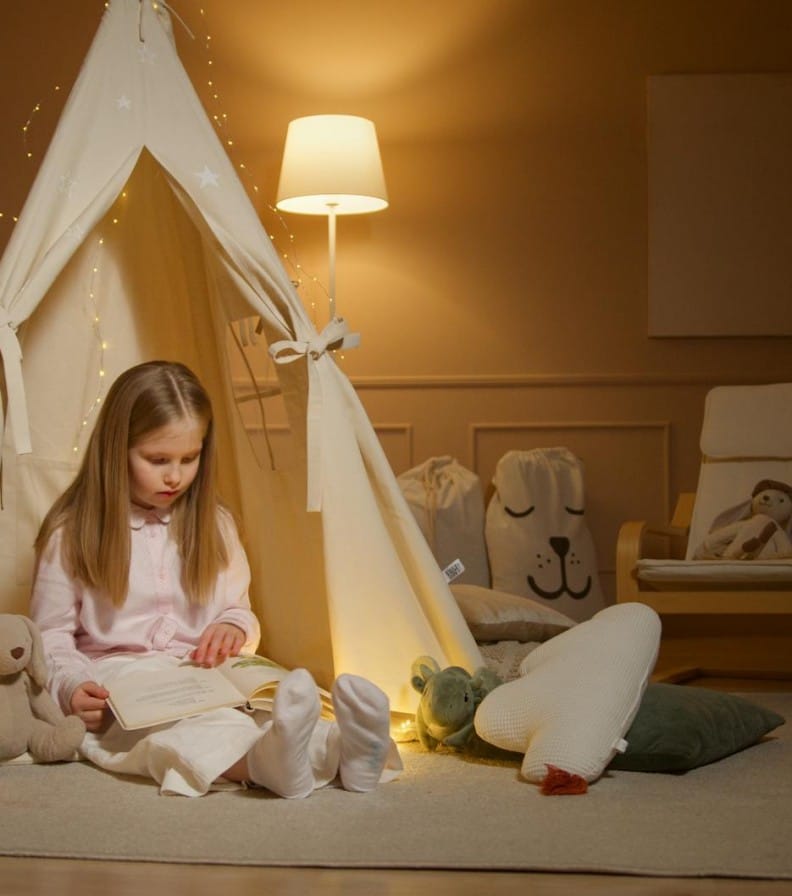
    Although reading can happen anywhere, creating a cozy nook just for books makes the experience feel special—and maybe a little magical. Imagine a small corner filled with your child’s favorite reading materials, soft pillows, and cozy blankets that invite them to settle in. Doesn’t that sound like a perfect escape from the everyday rush? When kids have their own comfy spot, they’re more likely to immerse themselves in stories without distractions. Plus, you can involve them in setting up this space—letting them choose blankets or arrange books gives them a sense of freedom and ownership. It doesn’t need to be fancy; a simple chair by a window or a little tent with soft lighting can do the trick. Creating this nook isn’t just about comfort—it’s about making reading an inviting adventure they’ll want to return to again and again. So, why not start crafting that magical spot today?

    Lead by Example With Your Own Reading

    lead by example reading

    When you pick up a book yourself, you’re sending a powerful message to your child: reading is worth your time and attention. Your reading habits shape how your kids view books—if they see you enjoying stories, they’re more likely to join in. Building your personal library doesn’t need to be overwhelming; even a few well-chosen books can inspire curiosity and freedom in your home.

    Consider these simple ways to lead by example:

    ActionImpact on Kids
    Read dailySets a visible routine
    Share what you readSparks family conversations
    Let kids see your booksNormalizes reading
    Visit libraries togetherCreates shared adventures

    Choose Age-Appropriate and Engaging Books

    age appropriate engaging reading choices

    Want to make sure your child actually enjoys reading? Start by picking books that match their interests and fit their age—no one wants to struggle through a story that’s too advanced or boring. Have you noticed how much easier it is to get lost in a book when it feels just right?

    Match Books to Interests

    Anyone can tell you that finding the right book for a child isn’t just about age or reading level—it’s about sparking their curiosity and matching their unique interests. When you choose books that tap into what excites your child, reading becomes an adventure, not a chore. How do you start? Think about their favorite activities or dreams, then explore book recommendations that echo those passions. Consider these interest exploration tips:

    • A budding artist might love stories about famous painters or creative adventures
    • Kids fascinated by space could enjoy sci-fi or nonfiction about planets
    • Animal lovers often immerse themselves in tales featuring wildlife or pets
    • Sports fans appreciate biographies or action-packed games
    • History buffs might find excitement in true stories or legends

    Matching books to interests frees your child’s imagination and invites joy with every page.

    Select Age-Suitable Genres

    How do you choose genres that truly fit your child’s age and keep them hooked? Start by considering their emotional and cognitive growth—picture what sparks their curiosity without overwhelming them. Genre exploration is key here; mix familiar favorites with new adventures like fantasy for imagination or mysteries for problem-solving skills. Don’t hesitate to use book recommendations from trusted sources or librarians who get the freedom you want to offer your kids. Remember, age-appropriate doesn’t mean boring—it’s about matching complexity and themes to their stage, so reading feels like a joy, not a chore. By selecting books that resonate with their world, you nurture a lasting love for reading, giving them freedom to explore ideas while staying comfortably engaged. What genre will open their eyes next?

    Use Interactive Storytelling Techniques

    Why settle for just reading a story when you can bring it to life? Using interactive storytelling techniques turns reading into an adventure, sparking your child’s imagination and making books irresistible. You don’t have to be an expert—you just need a few storytelling games and interactive activities to create moments of joy and freedom.

    Try these ideas to make stories leap off the page:

    • Act out characters’ voices or emotions to add excitement.
    • Pause and ask “What do you think happens next?” to invite guesses.
    • Use props or drawings to build the story’s world together.
    • Turn reading time into a mini performance with costumes or puppets.
    • Encourage your child to create alternative endings or new adventures.

    These simple steps let your child explore stories actively, turning reading from a chore into a thrilling experience. Why not give them that freedom? It’s a game-changer for reluctant readers.

    Incorporate Books Into Daily Activities

    Why not sneak in a little reading during mealtime or turn bedtime into a cozy storytime ritual? You’ll be surprised how these simple moments can spark a love for books without feeling like a chore. After all, who says learning can’t be part of your daily routine?

    Reading During Mealtime

    Ever thought about turning mealtime into a mini reading session? You can make those everyday moments sparkle with mealtime stories that bring food themes to life. Imagine your child giggling over a tale about a mischievous apple or learning about faraway lands through a story involving their favorite snack. It’s simple to start:

    • Pick short, fun stories tied to dinner ingredients
    • Use colorful picture books about fruit, veggies, or cooking
    • Share quick poems or rhymes about food adventures
    • Let your child guess what happens next in the story
    • Relate the story to what’s on the plate

    This way, mealtime becomes more than eating—it’s a chance for your child to explore, imagine, and connect with books naturally, without pressure or routine. Why not spice up dinner with a dash of story magic?

    Storytime Before Bed

    Mealtime stories can spark your child’s imagination, but the magic doesn’t have to stop there. Integrating storytime into bedtime rituals creates a cozy, predictable environment that kids look forward to. You can turn storytelling into fun games—like making up endings or voices—to keep your child engaged and excited. Wondering how to make it happen effortlessly? Here’s a quick guide:

    ActivityPurposeTips
    Choose a favoriteComfort and routineRotate books weekly
    Storytelling gamesEnhance creativityAct out scenes together
    Quiet discussionReflect and bondAsk questions about story

    Encourage Discussions About Stories

    How often do you find yourself chatting about a book right after finishing it? Encouraging your kids to discuss stories can turn reading into an adventure where they explore plot twists and character development freely. When you invite them to share thoughts, you open doors to imagination and critical thinking. Try these simple prompts to get the conversation flowing:

    • What surprised you most about the story’s plot twists?
    • Which character did you like or dislike, and why?
    • How would you change the ending if you could?
    • What part made you laugh or feel excited?
    • Can you relate to any character’s choices or feelings?

    Make Library Visits a Fun Adventure

    Although library visits might seem like just another errand, you can turn them into exciting adventures that spark your kids’ curiosity and love for reading. Imagine turning the library into a playground for the mind, where a library scavenger hunt leads to hidden gems and storytelling games bring books to life. You’ll notice how these simple twists make the trip something your kids actually look forward to.

    Try mixing up your visits with activities like these:

    ActivityPurposeHow to Play
    Library ScavengerExplore & discoverFind books by clues or colors
    Storytelling GamesBoost imaginationCreate stories from picture books
    Book BingoMotivate varietyComplete reading challenges

    Use Technology to Enhance Reading Experiences

    When you think about reading, does technology seem like a distraction or a helpful tool? Using digital tools can actually open new doors to your child’s reading adventure. Embracing eBook benefits and reading apps lets you tailor the experience, making it more exciting and interactive. Imagine your child diving into stories with features like:

    • Adjustable fonts and backgrounds for easier reading
    • Built-in dictionaries to understand new words instantly
    • Audio narration that brings characters to life
    • Interactive quizzes and games related to the story
    • Access to thousands of books anytime, anywhere

    These tech perks offer freedom from the limits of physical books and bring stories to your fingertips. Plus, they encourage kids to explore more genres and themes without pressure. So, instead of fighting technology, why not use it to spark enthusiasm for reading? It’s a smart way to blend fun with learning, helping your child find joy in every page—digital or not.

    Celebrate Reading Milestones and Achievements

    Few things motivate kids quite like celebrating their reading milestones and achievements. When you recognize their progress, you’re not just applauding their hard work—you’re sparking a love for reading that lasts. Why not throw a reading party? It’s a fun way to gather friends and family, turning reading into a shared adventure rather than a solo task. You could also organize book swaps, where kids exchange their favorite reads. This not only broadens their horizons but also builds a community around books. Celebrations don’t have to be big or fancy; even small rewards or a shout-out can boost confidence and enthusiasm. When children feel proud of their accomplishments, they’re more likely to pick up the next book with excitement, not hesitation. So, how can you make celebrating reading milestones a regular part of your family’s routine? A little creativity—and a dash of fun—goes a long way in helping your kids find real joy in books.

    Frequently Asked Questions

    How Can Single Moms Balance Reading Time With Work and Household Duties?

    You can balance reading routines with work and chores by using smart time management. Why not carve out small, consistent pockets—like bedtime or meal prep—to share stories? It doesn’t have to be long, just regular. This way, you build a joyful habit without feeling overwhelmed. Remember, it’s about quality, not quantity. Who says multitasking can’t include a good book? You’ve got this!

    What Are Affordable Ways to Build a Home Library for Children?

    Looking to build a home library without breaking the bank? Why not engage in book swaps with other parents or friends? They’re free and a fun way to refresh your collection. Thrift store finds also offer hidden gems at great prices. Plus, they give your kids that thrill of discovering something “new.” Who said building a library had to be expensive or boring? Ready to start hunting for treasures?

    How Do I Handle My Child’s Frustration With Difficult Books?

    Feeling like your child’s about to toss the book out the window? Don’t panic! You can use smart reading strategies—like breaking the story into smaller parts or reading together—to ease frustration. Offer emotional support by celebrating small wins and reminding them it’s okay to struggle. After all, freedom in reading comes from confidence, right? So, turn those challenges into chances to bond and grow. Who said tough books can’t be fun?

    Can Music or Art Be Integrated to Boost Reading Interest?

    Absolutely, you can boost reading interest by mixing in music activities and art projects. Ever thought about creating songs about book characters or drawing scenes from stories? These creative breaks make reading feel less like homework and more like play. When kids connect stories to art or beats, they dive deeper and stay curious. So, why not turn reading time into a colorful, rhythmic adventure? It’s fun and frees their imagination!

    What Are Signs My Child Might Need Extra Reading Support?

    If your child stumbles over words as if they’re climbing a steep hill, or seems lost in a story, struggling with reading comprehension, it might be time for extra support. Notice if they avoid reading or get frustrated easily—these can signal gaps in literacy development. Wondering if it’s just a phase? Trust your gut; early help can open their freedom to enjoy books without feeling trapped by challenges.

    Conclusion

    Worried that encouraging reading will feel like a chore for both you and your child? It doesn’t have to be. By tuning into what your kid loves and making reading fun—whether in a cozy nook or on a lively library trip—you’ll spark genuine excitement. Remember, it’s not about forcing books but sharing moments that bring joy. So, why not give it a try? You might just discover a new adventure together.

  • 10 Alphabet Storybook Series For Young Kids.

    Looking for alphabet storybooks that turn letters into playful adventures? You’ll love titles like Dr. Seuss’s ABC for quirky rhymes, Chicka Chicka Boom Boom’s colorful letter dance, and the lively Alphablocks that bring phonics to life. Sesame Street and Elmo add familiar faces, while ABC Dream offers dreamy art. From The Alphabet Adventures to The Mighty Alphabet, these series make learning fun and imaginative. Curious how each sparks early reading magic? Keep exploring to find your child’s perfect alphabet buddy.

    Key Takeaways

    • Interactive alphabet storybooks like Sesame Street Alphabet Collection combine play and learning to boost letter recognition and confidence.
    • Character-driven series such as Chicka Chicka Boom Boom use rhythmic storytelling and colorful illustrations to make alphabet learning fun and engaging.
    • Imaginative storytelling series like The Alphabet Adventures encourage natural letter recognition through playful narratives and interactive prompts.
    • Unique artistic books like ABC Dream by Kim Krans blend whimsical illustrations with poetic rhythm to inspire creative letter exploration.
    • Engaging learning experiences from series like Dr. Seuss’s ABC and Alphablocks promote playful discovery of letters with catchy rhymes and lively characters.

    Dr. Seuss’s ABC

    playful discovery through letters

    You might think Dr. Seuss’s ABC is just another alphabet book, but it’s so much more. It invites you into a world where Seuss characters jump off the page, making ABC rhymes come alive in ways that stick with you. Ever wondered how freedom in learning feels? This storybook lets you explore letters without strict rules, encouraging playful discovery instead. Each page pairs quirky creatures with catchy rhymes, so you’re not just memorizing letters—you’re experiencing them. Isn’t that a better way to learn? The lively rhythm and fun illustrations change the usual alphabet drill into an adventure you don’t want to end. With Dr. Seuss’s unique style, you’re free to enjoy language’s twists and turns, making early learning feel less like a chore and more like freedom to imagine. So why settle for boring ABCs when you can plunge into a world where letters dance and fun never stops?

    Chicka Chicka Boom Boom

    alphabet adventure comes alive

    Ever wondered how letters can jump off the page and dance to a rhythm? Chicka Chicka Boom Boom turns the alphabet into a lively adventure, with colorful illustrations that grab your attention and storytelling that keeps you hooked. Ready to see how letters climb, fall, and come alive in this playful tale?

    Rhythmic Alphabet Adventure

    Although it might seem like just another alphabet book, Rhythmic Alphabet Adventure, inspired by Chicka Chicka Boom Boom, offers a playful twist that grabs your attention from the first page. Have you ever noticed how rhythmic patterns in alphabet songs make learning stick? This story uses catchy beats and lively rhymes to make each letter’s journey unforgettable. Instead of dry drills, you get an energetic dance of letters climbing and tumbling, all set to a beat that feels almost like a secret code you want to crack. It’s like the alphabet is throwing a party, and you’re invited to join the fun. Why settle for ordinary when you can explore letters through sound and rhythm that spark curiosity and freedom? Ready to tap your toes while you learn?

    Colorful Letter Illustrations

    A splash of color can turn a simple letter into a character full of personality, and Chicka Chicka Boom Boom knows exactly how to do that. You’ll find that colorful letter recognition becomes a breeze when letters pop with imaginative letter visuals. It’s not just about seeing letters—it’s about feeling their energy, right? The vibrant illustrations invite you to explore and remember each letter with ease.

    LetterColorCharacter Trait
    ARedAdventurous
    BBlueBold
    CGreenCurious

    Isn’t it freeing to watch letters dance in such lively hues? These visuals spark creativity, making learning feel like play. Ready to see letters in a new light?

    Engaging Storytelling Elements

    Colorful letters catch your eye, but it’s the story woven around them that truly brings the alphabet to life in Chicka Chicka Boom Boom. Have you ever wondered why some stories stick with you? This book uses interactive storytelling, inviting you to join the lively letters as they race up the coconut tree. It’s not just about learning ABCs; it’s about experiencing character-driven narratives where each letter has its own playful personality. You get to feel the excitement, the chase, and even the tumble, making the alphabet feel less like a lesson and more like an adventure. Isn’t it freeing when learning feels like fun? Chicka Chicka Boom Boom shows you how storytelling can break boundaries, making letters dance off the page and into your imagination.

    Alphablocks

    letters come to life

    Have you ever met letters that come to life and work together to build words? That’s exactly what Alphablocks does, turning each letter into a fun, engaging character that helps you master phonics without even realizing it. Ready to see how learning can be both playful and powerful?

    Engaging Letter Characters

    While you might think letters are just simple symbols, the Alphablocks bring them to life in a way that’s hard to ignore. These letters aren’t just shapes; they have unique letter personalities that make learning fun and memorable. You’ll see them interact like old friends, combining sounds and creating words right before your eyes. Isn’t it invigorating to watch characters who actually engage with each other instead of standing still? This dynamic interaction helps kids grasp language naturally and joyfully.

    Here’s what makes Alphablocks stand out:

    • Each letter has its own distinct personality
    • Characters interact playfully and meaningfully
    • Sound blending feels like a conversation
    • Encourages curiosity and exploration
    • Makes letters feel like friends, not chores

    Ready to see letters in a whole new light?

    Interactive Phonics Learning

    If you’ve enjoyed watching the Alphablocks interact like old friends, you’re going to love how they bring phonics to life in a hands-on way. With Alphablocks, phonics games turn learning letter sounds into an adventure you control. You won’t just listen—you’ll play, explore, and connect sounds naturally. Isn’t that freedom in learning?

    Here’s a quick look at how Alphablocks makes phonics fun:

    ActivityFocusHow You Engage
    Sound MatchingLetter soundsMatch sounds to letters
    Word BuildingBlendingCombine blocks to form words
    Rhyming GamesPhonemic awarenessFind words that rhyme
    Story ModeContextual useCreate stories with blocks
    Challenge QuizzesReinforcementTest your sound skills

    Why settle for passive learning when you can interact?

    The Alphabet Adventures Series

    playful letter exploration adventure

    Although you might expect a straightforward series to teach letters, The Alphabet Adventures Series takes a different path, inviting young readers to immerse themselves in imaginative stories rather than just memorizing the ABCs. You’ll find that alphabet exploration here feels more like a playful journey than a lesson, encouraging kids to recognize letters naturally through fun narratives. Isn’t it invigorating to let children discover letter recognition without pressure?

    What makes this series stand out? Check out these features:

    • Engaging characters that lead each letter’s adventure
    • Creative scenarios that link letters to memorable experiences
    • Interactive prompts encouraging kids to spot letters in the story
    • Vibrant illustrations that bring each letter to life
    • Gentle repetition that reinforces letter shapes and sounds

    With The Alphabet Adventures Series, you give children the freedom to learn at their own pace while sparking their curiosity and imagination. Who said learning the alphabet can’t be an adventure?

    Sesame Street Alphabet Collection

    sesame street alphabet learning fun

    Ever wonder how your favorite Sesame Street characters can make learning the alphabet fun? With the Sesame Street Alphabet Collection, you get to see letters come alive through interactive activities that keep you hooked. Ready to meet Elmo and Big Bird as your new teachers?

    Beloved Characters Teach Letters

    While many kids might expect their favorite Sesame Street characters to guide them through the alphabet, the Sesame Street Alphabet Collection actually takes a different approach. Instead of relying solely on familiar faces, it focuses on creative ways to boost letter recognition and character development. You’ll find that learning letters becomes less about memorization and more about discovery.

    What makes this series stand out? Here’s a quick peek:

    • Encourages independent exploration
    • Supports early reading skills naturally
    • Balances fun with educational content
    • Builds confidence through gentle challenges
    • Inspires curiosity without pressure

    Isn’t it invigorating to have a learning tool that respects your child’s freedom to explore letters at their own pace? This approach nurtures both their understanding and love for learning, making alphabet mastery a joyful journey.

    Interactive Learning Features

    Since interactive learning can turn a simple story into an exciting adventure, the Sesame Street Alphabet Collection knows just how to keep your child engaged. Have you ever noticed how kids light up when they play interactive letter games? These games aren’t just fun—they help your child recognize letters and sounds effortlessly. Plus, the collection includes catchy alphabet songs that make memorizing letters feel like a dance party rather than a chore. Imagine your little one singing along, tapping their feet, and learning simultaneously—doesn’t that sound like the freedom to explore learning on their own terms? By combining play with education, Sesame Street encourages curiosity and confidence. So, why settle for boring drills when interactive features can transform learning into a joyful experience? Ready to watch your child’s excitement soar?

    Animalia by Graeme Base

    Here’s what makes *Animalia* stand out:

    • Detailed animal illustrations that fascinate your imagination
    • Engaging depictions of diverse animal habitats
    • Innovative storytelling techniques that engage your mind
    • Interactive features encouraging exploration and discovery
    • Creative storytelling that sparks curiosity and visual learning

    Ready to explore this wild alphabet safari?

    The Mighty Alphabet Series

    Alphabet books often get a bad rap for being too simple or predictable, but The Mighty Alphabet Series flips that idea on its head. You might wonder, what makes these mighty letters so special? Well, this series transforms each letter into a lively character, inviting you to explore alphabet fun in a way that feels fresh and freeing. Instead of just memorizing letters, you plunge into stories where letters have personality and adventures, making learning feel less like a chore and more like a journey you choose to take.

    Don’t you want your child to see letters as more than just symbols? The Mighty Alphabet Series encourages curiosity and creativity, giving young readers a chance to engage actively with language. It’s not just about reciting the ABCs—it’s about embracing the power and playfulness of letters, sparking a lifelong love for words. Who knew alphabet fun could be this mighty?

    ABC Dream by Kim Krans

    If you enjoyed seeing letters come alive in The Mighty Alphabet Series, you’ll appreciate how ABC Dream by Kim Krans takes a different, more whimsical approach. Instead of straightforward abc illustrations, this book invites you into a world where each letter sparks dream exploration. It’s like stepping into a gentle reverie, where imagination roams free and letters transform into symbols of wonder.

    Imagine letters as gateways to a dreamscape, blending art with curiosity. As you turn the pages, you’ll find:

    • Surreal, enchanting abc illustrations that captivate the eye
    • A calming, poetic rhythm that encourages reflection
    • Dream-inspired themes that invite personal interpretation
    • Freedom to explore each letter beyond the usual confines
    • A soothing palette that feels like a lullaby for the mind

    Isn’t it invigorating when a simple ABC book lets you wander freely, rather than just teaching you the alphabet? ABC Dream truly opens a door to creative discovery, perfect for young minds ready to dream big.

    Elmo’s ABC Book Series

    While many ABC books aim to teach letters through simple repetition, Elmo’s ABC Book Series takes a playful yet effective approach that keeps kids genuinely interested. You’ll find that Elmo’s adventures turn letter recognition into an exciting journey, not just a chore. Instead of just memorizing letters, your child tags along with Elmo as he explores everyday things tied to each letter, making the learning feel natural and fun. Isn’t it better when learning feels like play? This series encourages curiosity and invites kids to discover letters in contexts they can relate to, which helps the letters stick in their minds. Plus, Elmo’s cheerful personality makes every page lively and engaging, so your little one stays enthusiastic to turn the page. If you want a book that respects your child’s freedom to explore while building solid letter recognition skills, Elmo’s ABC Book Series fits perfectly into that space. Ready to let Elmo lead the way?

    The Alphabet Mystery Series

    Though it might sound like a simple puzzle, The Alphabet Mystery Series turns learning letters into an intriguing adventure you won’t want to put down. Imagine uncovering hidden letter clues in every story, where each page invites you to solve an alphabet mystery. It’s not just about memorizing letters; it’s about engaging your curiosity and freedom to explore.

    What makes this series stand out? Here’s a sneak peek:

    • Interactive stories that challenge you to find letter clues
    • Mysteries that boost your problem-solving skills
    • Characters that bring the alphabet to life
    • Puzzles designed to keep your mind sharp and free
    • Fun twists that make learning feel like play

    Why settle for boring drills when you can plunge into an alphabet mystery that lets you lead the way? This series empowers you to discover letters on your terms, making learning an adventure you’ll choose every time. Ready to reveal the alphabet’s secrets?

    Frequently Asked Questions

    What Age Group Benefits Most From Alphabet Storybooks?

    You’ll find that kids aged 3 to 5 benefit most from alphabet storybooks, as this stage is vital for preschool readiness and cognitive development. Ever wonder how early exposure to letters sparks curiosity? These storybooks make learning fun, helping little minds grasp sounds and shapes before formal schooling. So, if you want to give your child a head start, this age range is perfect to explore the alphabet adventure together.

    How Can Parents Make Alphabet Reading More Interactive?

    Want to turn reading into an adventure? You can make alphabet reading more interactive by weaving creative storytelling with hands-on activities—like acting out letters or crafting related objects. Ever thought about turning “A” into an apple hunt? These interactive activities spark curiosity and freedom, making learning fun, not a chore. Why settle for passive reading when you can invite your child to explore letters actively, boosting both imagination and engagement?

    Are Alphabet Storybooks Available in Multiple Languages?

    Yes, you can find alphabet storybooks in multiple languages, including bilingual options that celebrate cultural diversity. Why stick to just one language when you can expose your child to two or more? This not only boosts language skills but also opens doors to different cultures. Imagine the freedom your kid gains, exploring stories in both English and Spanish, for instance. It’s a fun way to learn and embrace diversity—pretty cool, right?

    What Are Key Features to Look for in Alphabet Books?

    When you pick alphabet books, look for illustrative designs that pop and grab attention—because, let’s face it, kids love colors and fun visuals. Engaging characters matter too; they turn letters into stories, making learning feel like play. Don’t you want a book that sparks curiosity and lets kids explore freely? So, choose books blending creativity with clarity, where every page invites little ones to plunge into and enjoy the alphabet adventure.

    How Do Alphabet Storybooks Support Early Literacy Skills?

    Did you know kids with strong phonemic awareness are 2.5 times more likely to become good readers? Alphabet storybooks support this by helping you hear and play with sounds in words, boosting phonemic awareness. They also expand your vocabulary development, introducing new words in fun ways. So, why not let these stories give you the freedom to explore language, making reading feel less like work and more like an adventure?

    Conclusion

    Isn’t it funny how so many of these alphabet series come together to make learning fun? You might start with Dr. Seuss’s quirky rhymes and end up exploring Elmo’s playful pages without even realizing it. Each book adds a unique twist, helping you and your little one connect letters to laughter. So, why stick to just one? Try a few—you might find the perfect story that turns ABCs into adventures, making learning a joyful surprise every time.

  • How to Turn a Simple Story into a Powerful Learning System

    You have the Andy Ant ebook. You have the Lesson Plan.

    SIDENOTE: There is absolutely no reason for you not to have them because they are both completely FREE. You can get them now in one click below and start the mission fully prepared!

    Click Here to Get Your Free Letter Aa eBook & Letter Aa Lesson Plan

    Now, I’m going to give you the exact, step-by-step strategy to combine them. This isn’t theory. This is a simple, repeatable playbook that takes 15-20 minutes a day.

    Follow this guide, and you will do more for your child’s reading readiness in one week than most parents do in a month of random storytimes. This is the system that transforms reading from a passive activity into an exciting, brain-building adventure.

    Let’s begin.


    DAY 1: The Mission – Introduction & Recognition

    Your Goal Today: Introduce the letter ‘A’ and make your child an active participant from the very first page.

    Part 1: The Adventure Read-Through

    (Step 1) The Pre-Briefing: Before you read a single word, open to the cover.

    Don’t just read the title. Point and engage.

    You Say: “Look at this! This is Andy the Ant. And the title says he’s going on an Adventure. That word, Adventure, starts with the letter we’re learning today: the letter ‘A’. Our mission is to be ‘A’ Detectives. I need your help to find every capital ‘A’ and lowercase ‘a’ in this book. Can you do that?”

    (Step 2) The First Clues: Now, read the first few pages, but stop to be an Adventure Guide.

    You Read: “Andy Ant goes on an adventure to experience new things.” You Say: “There’s that word again… adventure! And look, there’s a big capital ‘A’ right in the word Andy. You found one! What do you think he’s going to do first?”

    You Read: “Andy climbs an apple tree.” You Say: “Apple! That starts with ‘a’ too! Can you see any other letter ‘a’s on this page? Let’s count the apples. Do you think he’ll eat one?”

    Continue this pattern through the book. Make it a game. Every time they spot an ‘A’, give them a high-five.

    Part 2: The Activity Connection

    Once the story is finished, the mission continues.

    You Say: “You were an amazing ‘A’ Detective! You found so many letters. Now, let’s teach our hands how to build the letter ‘A’ so we can make our own.”

    (Activity 1) “Let’s Practice Writing Aa”: Pull out this worksheet. Don’t call it “handwriting practice.” Call it “Secret Code Training.” They are learning to write the secret code of the letter ‘A’.

    (Activity 2) “Dot The Letters”: Frame this as the final detective challenge. “Andy’s adventure is over, but our ‘A’ hunt isn’t! Let’s find and dot all the hidden ‘A’s on this page.”


    DAY 2: The Mission – Sounds & Association

    Your Goal Today: Connect the shape of the letter ‘A’ to its most common sound.

    Part 1: The Adventure Read-Through

    Today’s mission is different. You’re no longer just ‘A’ Detectives; you are “Sound Scouts.”

    You Say: “Okay, Sound Scout, new mission! Today, we’re listening for the ‘ah’ sound, like in Andy and apple. Every time you hear me make that sound, I need you to tap your nose. Ready?”

    Reread the story. Emphasize the ‘A’ words dramatically. “Andy the Ant goes on an Adventure… He climbs an APPLE tree… He sees an AIRPLANE in the air… He feeds an AARDVARK and an ALPACA.”

    Make it fun. When they tap their nose, acknowledge it. “Good catch! You heard it!”
    Part 2: The Activity Connection

    You Say: “Your ears are amazing! You heard the ‘ah’ sound everywhere. Let’s see if you can spot the pictures that start with that same sound.”

    (Activity 1) “Color the pictures that start with ‘a'”: This is a direct test of their new Sound Scout skill. They should easily identify the apple and the ant.
    (Activity 2) “Help Andy Ant Find The Words That Start With Aa”: This levels up the challenge. “Now let’s help Andy find the words that start with our ‘ah’ sound. Let’s look for animal, afraid, alpaca, and apple.”


    DAY 3, 4, & 5: The System of Reinforcement

    For the rest of the week, the pattern is the same. It’s a simple, powerful loop: Reread & Reconnect. Repetition is how young children learn. Your job is to keep it fresh by slightly changing the mission.

    Day 3 Mission: The Storyteller. Reread the story, but pause and ask “what happens next?” See if they can remember. Then, connect their story recall to the comprehension activities in the lesson plan like “Draw a line from each picture to the matching word.”

    Day 4 Mission: The Co-Reader. As you read, let them fill in the ‘A’ words. “Andy climbs an…?” (apple tree!). Then, use that confidence to tackle the “Fill in the missing letter” and “Uppercase Letter Maze” activities.

    Day 5 Mission: The Expert. Let them “read” the story to you, telling you what’s happening on each page. This is a massive confidence booster. Celebrate their expertise! Then, prove their mastery with the final activities: “Sort the Letter Aa Words” and “Color by Case.”


    Conclusion: Wash, Rinse, Repeat. The Effortless Learning System.

    Do you see the pattern?

    1. Read with a Mission: Give your child a fun, simple job to do while you read.
    2. Connect to an Activity: Use their success in the story as a bridge to a hands-on activity that reinforces the skill.
    3. Repeat: Do it again the next day.

    This isn’t just a guide for the letter ‘A’. This is the system for the entire alphabet.

    When you move on to Brandon is the Best, you’ll become “B” Detectives.

    For Chris and Chuck, you’ll be “C” Collectors. The playbook remains the same.


    You no longer have to wonder if you’re “doing it right.” You no longer have to fight for your child’s attention.

    You have a proven system that turns a simple story into the foundation for reading. You’re not just buying books; you’re investing in a future where your child walks into Kindergarten confident, prepared, and ready to lead the pack. You’re buying peace of mind.

    Now, go start your first mission.