
Why Your Child's Letters Keep Slipping Through Their Fingers
You are sitting at the kitchen table, holding a stack of flashcards. You ask your child to find the letter 'B'. They look at you with a furrowed brow, then scan the cards, and then they look away. You try again with 'M'. They try again. The frustration builds in your chest, and a quiet voice starts to whisper: Why won't these letters stick like they do for other kids? Am I not teaching this well enough?
You feel like a failing teacher. You see the screen time they've had, and you wonder if that digital noise has dulled their ability to connect with abstract symbols. But before you blame the method or the child, it is crucial to understand what is actually happening in their mind.
The brain treats isolated letters as meaningless noise without context. When you present a shape on a card, you are asking the brain to store a symbol that has no emotional weight and no situational hook. It is like asking someone to remember a random number without telling them why it matters. The brain is biologically wired to forget what doesn't matter.
Drills create short-term memory spikes that vanish quickly. Flashcards present symbols in a vacuum. The moment the card is turned over, the connection is severed. Your child isn't lazy; they are simply following the biological rules of memory. They are discarding information that lacks emotional or situational weight.
Screen time has conditioned the brain to expect passive consumption, not active association. Digital media trains the brain for rapid switching, not deep encoding. Static images on a screen lack the dynamic movement of a story. You need to move from passive viewing to active imagination.
"It is not a lack of capacity; it is a lack of meaningful hooks."
The Magic of Narrative Hooks: How Stories Anchor Memory
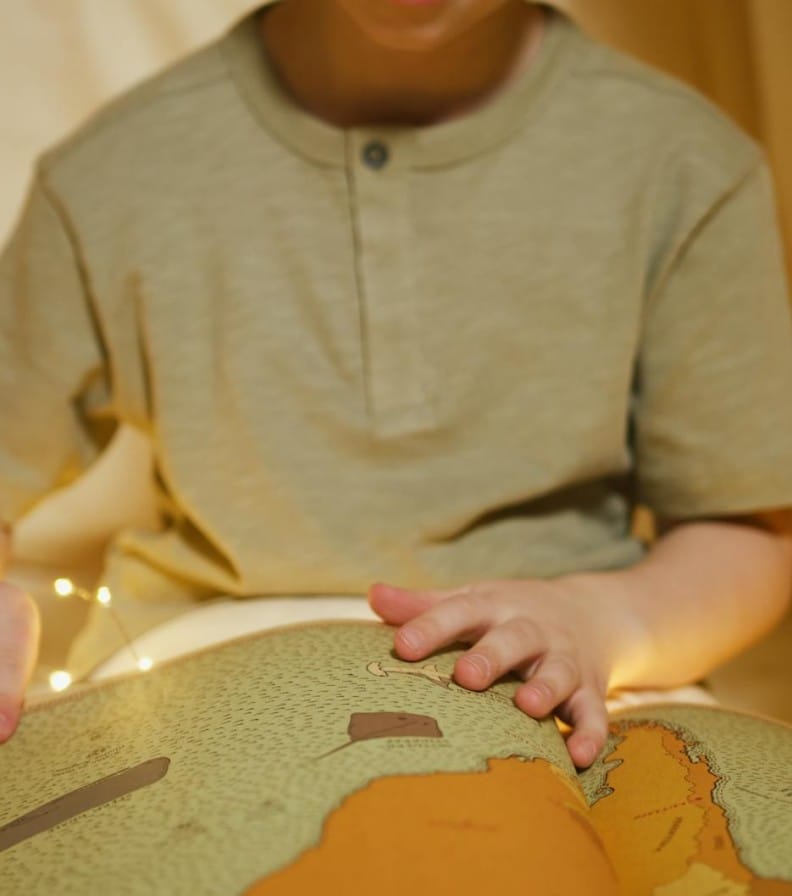
So, how do we fix this? How can a simple story fix the memory issues caused by drills? The answer lies in the human brain's natural preference for meaning. Stories provide a 'home' for every letter. When a letter is embedded in a narrative, it stops being an abstract shape and starts being a character.
From Abstract Symbols to Living Characters
A letter 'A' is just a shape until it becomes 'Andy Ant'. The brain remembers the character's actions better than the letter's form. This transforms learning from a chore into an adventure. When your child thinks about Andy Ant climbing a hill, they are simultaneously recalling the shape of the letter 'A' and the sound it makes.
The Power of Associative Pathways
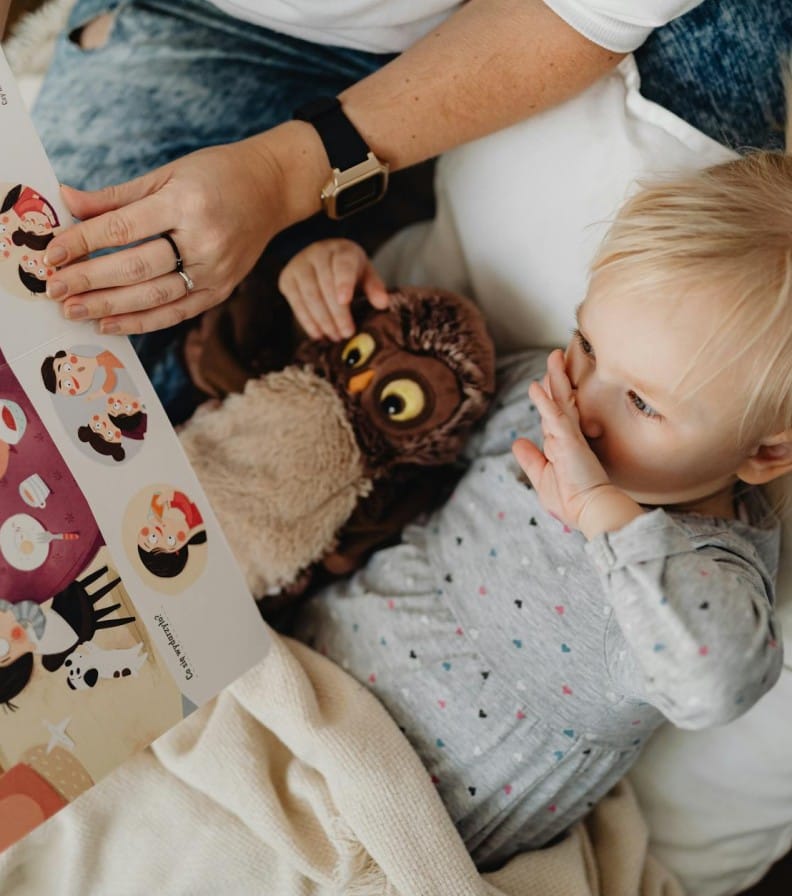
Stories link the sound, shape, and meaning simultaneously. Recalling the story triggers the letter automatically. This creates a lasting pipeline for future literacy skills. Instead of memorizing a list, your child is building a web of connections. Every time they hear a story, they are reinforcing the neural pathways that make reading possible.
Strategy 1: Character Letter Links
You want to start linking letters to characters without making it complicated. The first step is to pick a simple story with distinct characters. You can use a book you already own, or a digital book that is easy to navigate. Assign one letter to one character's name or trait. Let the child associate the shape with the character's actions.
Here is how you can build the link during reading:
- Pause when a character acts. Stop the story right before a character does something significant.
- Say the letter name and sound aloud. "Look, Andy Ant is moving! That starts with the sound /a/!"
- Ask the child to identify which character is doing the action. "Who is climbing the hill? Is it Andy Ant or Betty Bear?"
Choosing the right story structure is vital. Start with short, repetitive tales. Ensure characters have distinct personalities. Keep the plot simple enough to follow while focusing on letters. This ensures that the cognitive load remains low, allowing the child to focus on the letter associations.
Strategy 2: Story-Based Letter Play
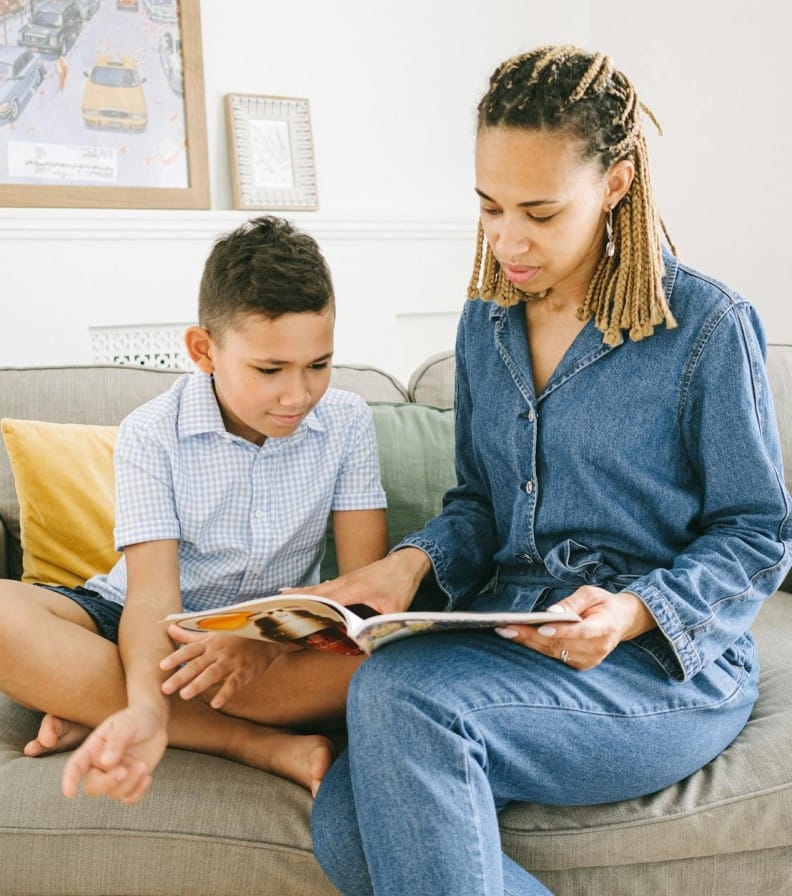
How can you get your child to physically interact with the letters while you read? The answer is to combine motor skills with auditory memory. You can draw the letter while describing the character's movement. Explain how the lines of the letter match the character's path. This reinforces visual and motor memory simultaneously.
The Drawing Connection
Draw the letter shape as the character moves. Explain how the lines of the letter match the character's path. This reinforces visual and motor memory simultaneously. For example, if the character is jumping, you might draw a letter 'J' in the air or on paper. You trace the curve of the letter while saying, "Just like the jumper is going down and around!" This activates multiple senses for deeper encoding.
Tracing the Narrative
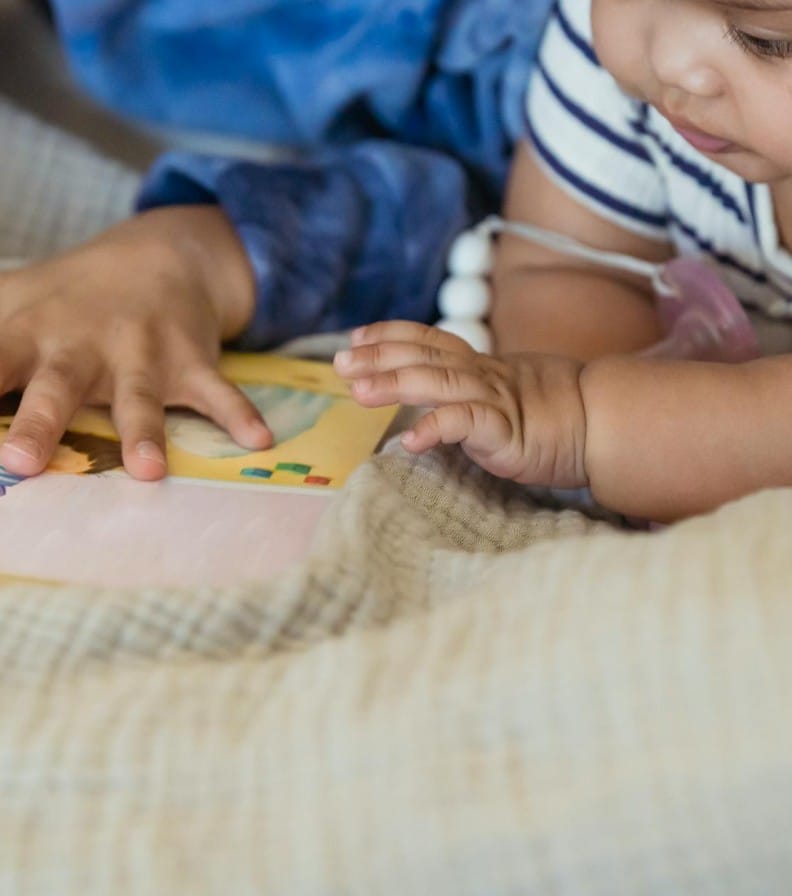
Trace the letter while retelling the story. Focus on the specific segment where the letter appears. This keeps the child engaged and prevents the activity from feeling like a test. It is play, not work.
Strategy 3: The Daily Story Ritual
How much time do you need to spend on this, and how do you make it a habit? Consistency is key to memory retention. A small, consistent time slot is better than sporadic long sessions. Create a calm environment free from distractions.
Setting the Stage for Success

Choose a quiet time of day. Minimize screen distractions. Make the ritual a special bonding moment. This could be ten minutes before bed or during a quiet morning coffee.
Reinforcing Without Pressure
Keep the tone light and fun. Avoid testing the child constantly. Let the repetition happen naturally through the story. If you try to quiz them every time, you risk turning the story into a chore. The goal is to make the story a safe space where letters are friends, not enemies.
Building Cognitive Capital for Long-Term Literacy

Why does this matter for your child's future reading and writing skills? Early symbol recognition builds a foundation for vocabulary. Stories introduce new words in context. The child learns meanings through association. This leads to faster and deeper vocabulary growth.
Accelerating Vocabulary Acquisition
Stories introduce new words in context. The child learns meanings through association. This leads to faster and deeper vocabulary growth. When words are tied to a narrative, they stick.
Forming a Lasting Pipeline for Literacy
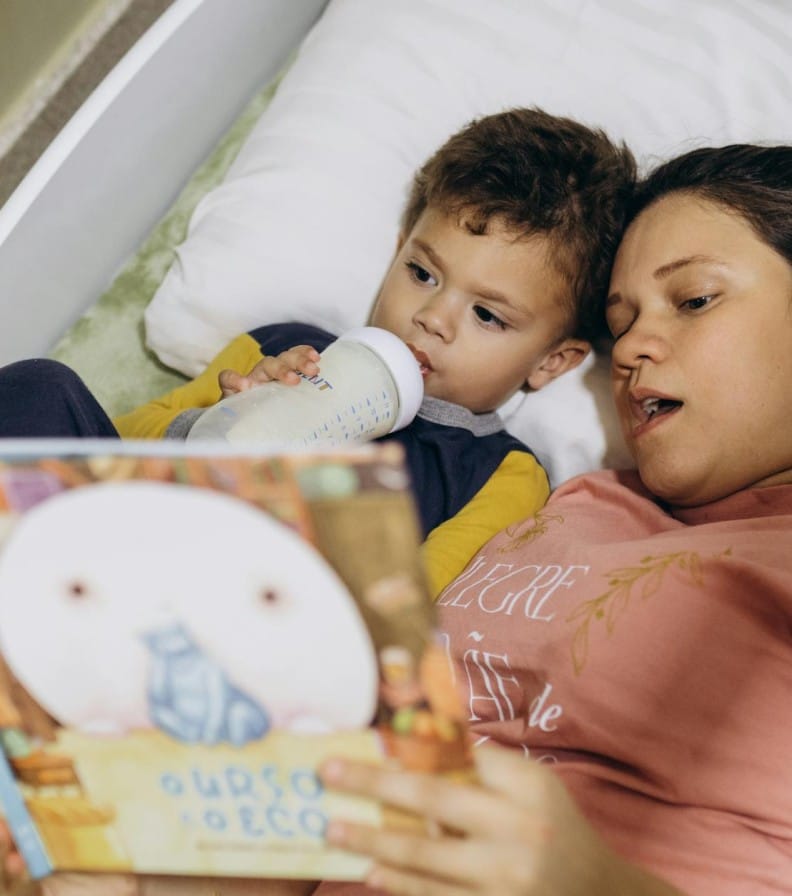
Early success builds confidence. Confidence leads to a love of reading. This creates a self-sustaining cycle of learning. Your child will start to see books as sources of joy rather than sources of pressure.
Comparing the Approaches
To help you visualize the shift, consider the difference between the old way and the new way. The table below highlights the key distinctions between 'Drill Mode' and 'Story Mode'.
| Feature | Drill Mode | Story Mode |
|---|---|---|
| Focus | Isolated symbols | Characters and context |
| Emotion | Frustration, pressure | Curiosity, joy |
| Memory Type | Short-term spike | Long-term association |
| Engagement | Passive recognition | Active imagination |
| Outcome | Forgetfulness | Lasting literacy skills |
Final Thoughts
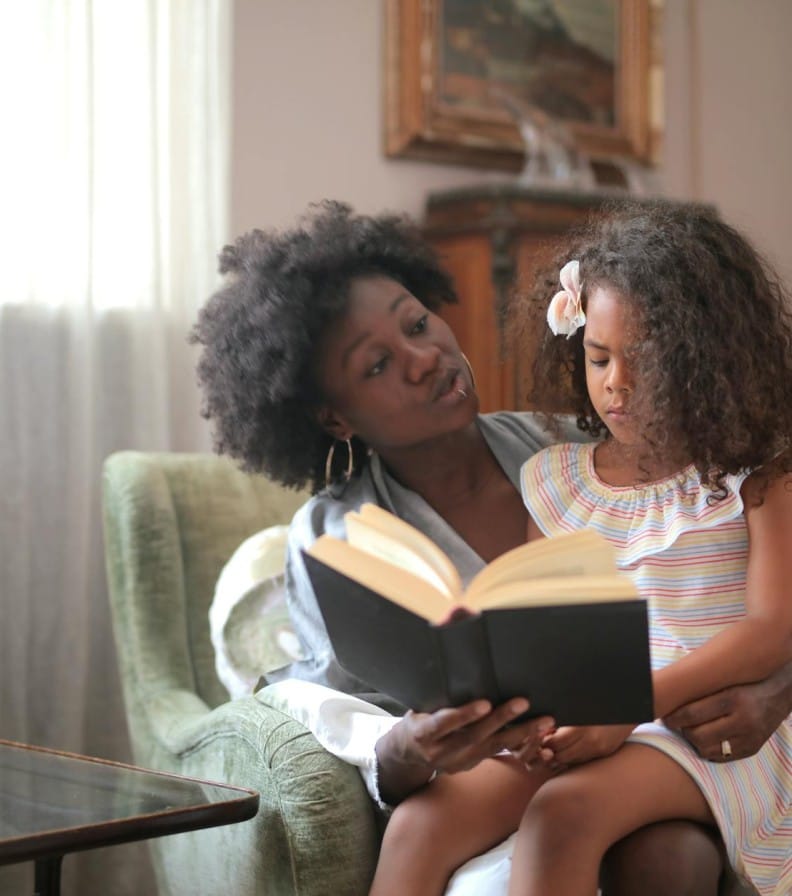
You are not a failing teacher. You are a parent who cares deeply about your child's future. By shifting from drills to stories, you are giving your child the tools they need to succeed. The letters will stick because they are now part of a world your child loves to explore.
Start small. Pick one story. Assign one letter. Let the adventure begin. Your child's reluctance will turn into curiosity, and their literacy skills will compound over years of learning.
A Special Resource for Your Journey
If you are looking for a concrete way to start this journey, there is a resource designed specifically for this purpose. Kids Learning Essentials is offering the kids book Andy Ant Goes On An Adventure while supplies last.
This book is perfect for the strategies we discussed. It features distinct characters and a simple plot that makes it easy to link letters to actions. Just use the promo code READS at checkout to make your total $0.00. Delivered instantly through their digital bookshelf—no downloads, apps, or printing required!
Get it at https://kidslearningessentials.com/andy-ant-goes-on-an-adventure/ and start turning those letters into friends today.