Why Your Child's Brain Is Rejecting Letter Drills
You've likely noticed the pattern. You sit down with flashcards, expecting a flash of recognition. Instead, your child's eyes glaze over, or they retreat into the glowing rectangle of a tablet. You feel the tension rising in your chest. You wonder, "Why can't they get this? Am I making this worse?"
The frustration is real, but the answer isn't a lack of effort on your part or a lack of intelligence in your child's. It is a fundamental mismatch between how you are teaching and how the brain is built to learn.
The brain is an energy-conserving machine. It filters out what it deems 'boring' or irrelevant to save energy for survival and high-priority tasks. When you present an isolated letter 'B' on a white card, the brain categorizes it as low-priority data. It has no emotional charge, no story, and no context. Consequently, it rejects the input.
"The brain prioritizes meaningful, emotionally charged input over isolated facts. Letters connected to characters and themes activate narrative processing pathways that enhance memory consolidation."
This is not a failure of the child's ability. It is a failure of presentation. When you push a reluctant reader, you are often reinforcing the negative association they already feel toward reading. The shame and tension create a physiological block that makes learning impossible, regardless of how hard they try.
The Myth of 'Just Trying Harder'
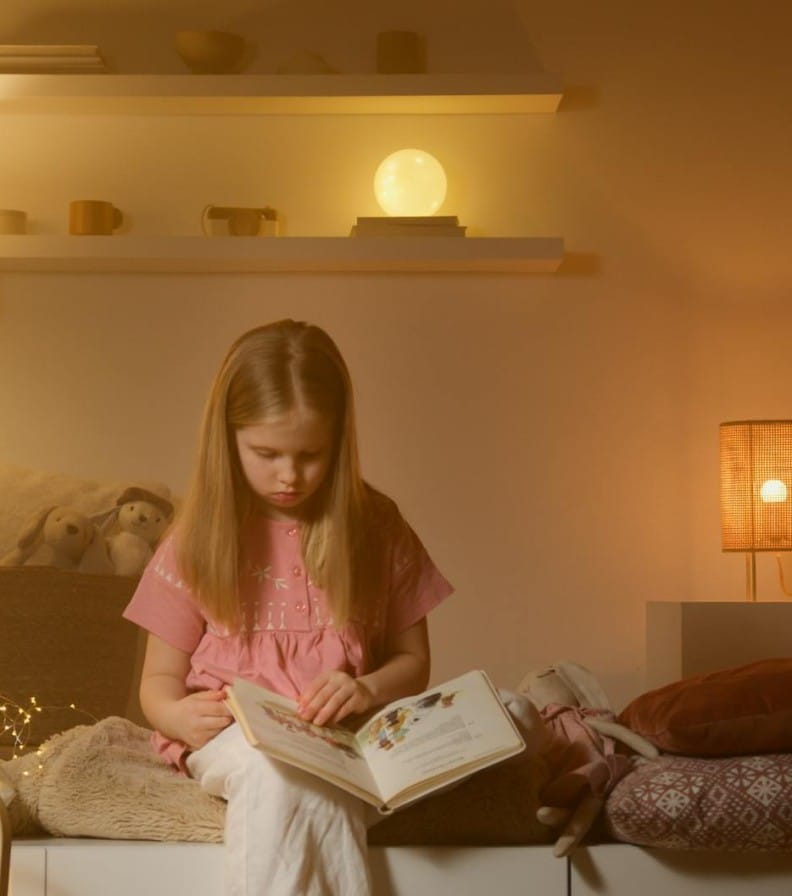
You might think that if your child just tried harder, the letters would stick. But effort without context leads to frustration, not progress. Pushing a reluctant reader often reinforces the idea that reading is a chore to be endured rather than a world to be explored.
The Science of Story-Based Memory
To fix this, you need to understand the mechanism of memory. When your child watches a cartoon, they aren't just looking at pictures; they are processing a narrative. Their brain is tracking a character, predicting what happens next, and feeling emotion. This is 'narrative processing.'
When you introduce a letter within that narrative, the letter becomes part of the story. It gains a hook. It becomes a symbol with meaning, not just a shape to be memorized. This is where the concept of 'cognitive capital' comes in. By investing time in stories, you are building a foundation that scaffolds pattern recognition, symbolic understanding, and vocabulary growth.
From Isolated Facts to Connected Knowledge

Imagine the letter 'A' not as a shape, but as the name of a specific character, like an Ant. Suddenly, the letter is part of a larger semantic web. Vocabulary grows naturally within the story context. Your child isn't memorizing a list; they are expanding their understanding of the world.
Strategy 1: Character Anchoring
The first step is to anchor the letter to a character. This turns a dry fact into a living entity. You need to select a character whose name starts with the target letter. For example, if you are teaching the letter 'B', you choose a Bear. If you are teaching 'C', you choose a Cat.
Tell or read simple stories involving that character, emphasizing the letter's sound and shape. Use the character as a mascot for the letter throughout the day. This creates a consistent emotional link that the brain can latch onto.
Building a Character Library
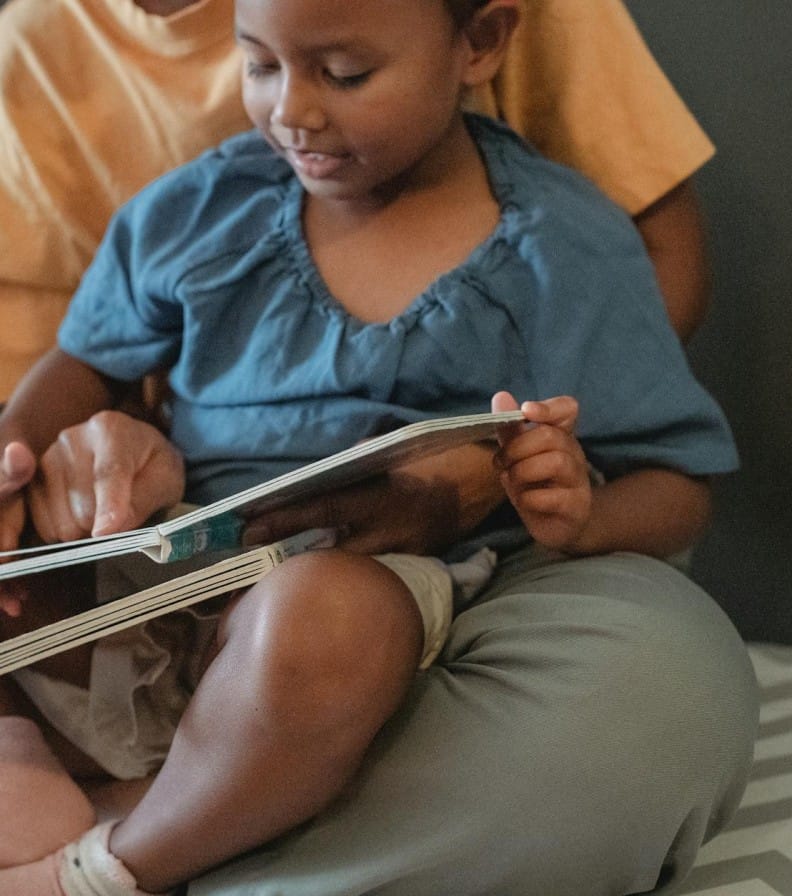
You don't need to invent everything from scratch. You can start with familiar characters from books or shows that your child already loves. Then, you can create simple original characters for specific letters that might not have a famous counterpart.
Here are some examples to get you started:
- B: Bear, Ball, Bunny
- C: Cat, Cow, Cloud
- D: Dog, Duck, Drum
- F: Fox, Fish, Frog
- G: Goat, Giraffe, Ghost
- H: Horse, Hat, House
- J: Jellyfish, Jaguar, Jack
- K: Kangaroo, Kite, King
- L: Lion, Ladybug, Lamp
- M: Monkey, Mouse, Moon
- N: Narwhal, Nest, Night
- O: Owl, Octopus, Orange
- P: Penguin, Pig, Plane
- Q: Queen, Quail, Question Mark
- R: Rabbit, Robot, Rocket
- S: Snake, Star, Sun
- T: Tiger, Train, Tree
- U: Umbrella, Unicorn, Umpire
- V: Vulture, Van, Violin
- W: Whale, Worm, Window
- X: X-ray, Xylophone, X-Men
- Y: Yak, Yacht, Yoyo
- Z: Zebra, Zucchini, Zoo
Strategy 2: Theme-Based Letter Hunts
Once you have your characters, you can expand the learning into your physical environment. You can turn your house into a learning environment by using household objects related to a theme. Choose a theme, such as animals, food, or vehicles.
Identify items in the home that begin with the target letter. Connect visual and semantic cues by naming the object and its letter sound. For instance, if you are hunting for 'F' words, point out the Fork, the Fan, and the Floor.
Creating a Themed Hunt Checklist
To keep this manageable, pick one theme per session to maintain focus. Encourage the child to find and name items. This turns the learning into a game of discovery rather than a test.
| Theme Category | Target Letter | Example Items to Hunt For |
|---|---|---|
| Kitchen | B | Bread, Bowl, Butter, Banana |
| Bathroom | S | Soap, Sponge, Shower, Sink |
| Bedroom | P | Pillow, Pants, Picture, Pen |
| Living Room | C | Couch, Clock, Chair, Carpet |
| Outside | T | Tree, Truck, Tent, Turtle |
Strategy 3: Steady Story Slots
Consistency is the key to building neural wiring. You need to dedicate a consistent brief time daily for these themed interactions. Aim for 10-15 minutes daily. Emphasize gentle repetition and patience rather than hurried mastery.
Setting Up a Daily Ritual

Choose a specific time of day, perhaps before bed or right after breakfast. Keep the environment calm and distraction-free. Here is how to set it up:
- Select a specific time of day (e.g., before bed).
- Choose a quiet corner of the room.
- Gather your character books or props.
- Set a timer for 15 minutes.
- Begin the story or hunt with full attention.
Overcoming the Screen Time Trap
You mentioned that your child has too much screen time, which has contributed to their reluctance. This is a common trap. Passive consumption of screens often replaces active creation. To fix this, you must replace passive consumption with active creation.
Use the 'character anchoring' strategy to make letters as engaging as cartoons. Focus on the tactile and auditory experience of stories. When your child is actively creating a story about a Bear, they are engaging their imagination in a way that a passive video cannot match.
"Transitioning from passive to active learning is not about punishment; it is about offering a better, more engaging alternative that satisfies the brain's need for narrative and connection."
Start with short, high-interest character stories. Gradually increase the complexity of the narratives as your child's confidence grows.
Building a Foundation for Fluent Reading
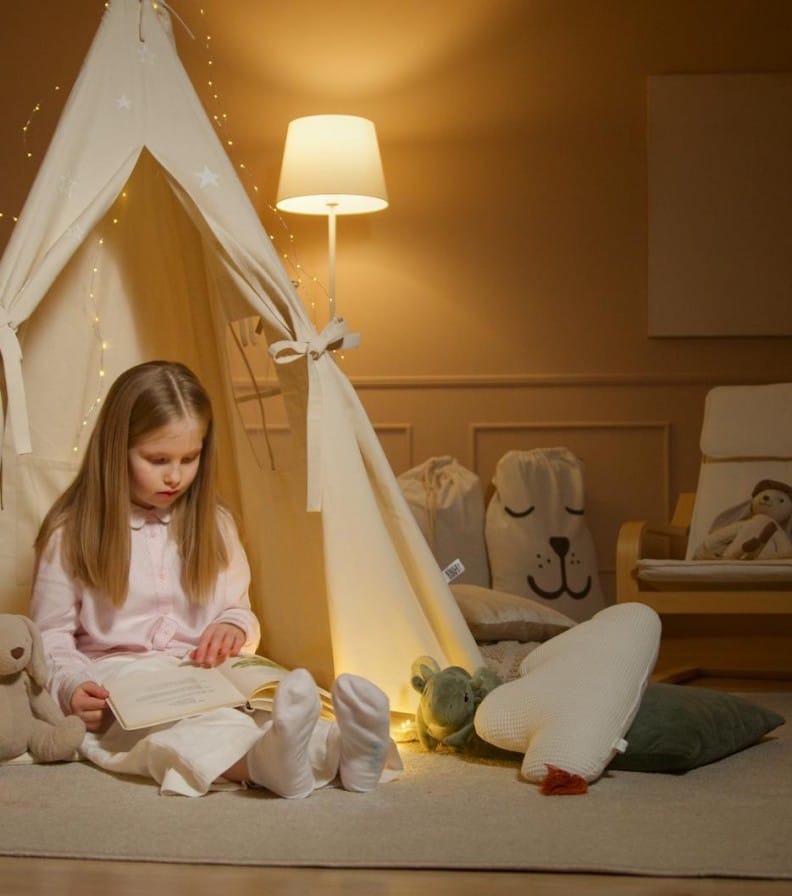
By investing minutes per day in character-themed letter play, you are compounding into lasting neural wiring. This approach scaffolds pattern recognition and symbolic understanding. It accelerates the trajectory toward fluent reading.
The Path to Confidence
The ultimate goal is a calm, confident home learning environment. Confidence grows as the child sees progress. Shame is replaced by curiosity and engagement. Your child will begin to see letters not as obstacles, but as keys to unlocking stories they love.
This is the shift you need. You are not just teaching letters; you are rebuilding your child's relationship with reading itself.
Ready to start this journey?
Kids Learning Essentials is offering the kids book Andy Ant Goes On An Adventure while supplies last. Just use the promo code READS at checkout to make your total $0.00. Delivered instantly through their digital bookshelf—no downloads, apps, or printing required! Get it at https://kidslearningessentials.com/andy-ant-goes-on-an-adventure/
Use this book to anchor your 'A' lessons and watch your child's confidence soar.