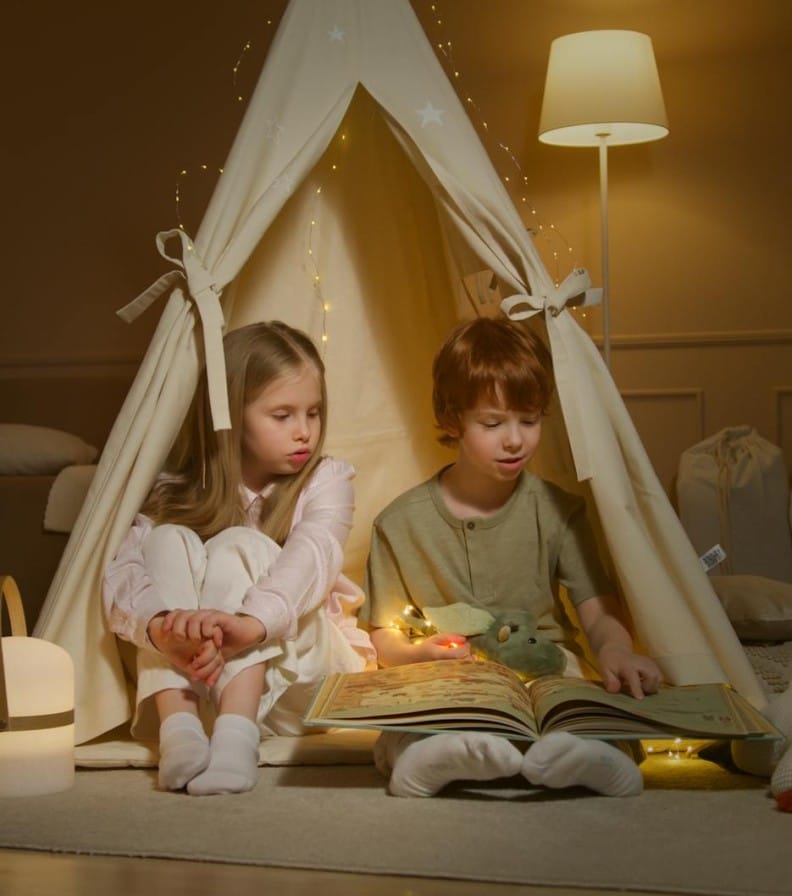
The Impact Of Using Stories To Teach The Letters Of The Alphabet
Why Your Child Is Struggling With Flashcards And Rote Memorization
You've watched the frustration build. You hold up a flashcard with a letter on it, expecting recognition, but your child's eyes drift away. They zone out, looking for something more interesting on the screen they just put down. This moment triggers a familiar spike of parental anxiety. You start to wonder if your child is falling behind, if they are a "slow learner," or if you have made a mistake by allowing too much screen time.
Let's be clear about what is happening here. The struggle is not a reflection of your child's intelligence. It is a mismatch between the teaching method and the way the human brain naturally processes information. Your child is reacting to a style of learning that ignores their reality.
The Myth Of The 'Slow Learner'
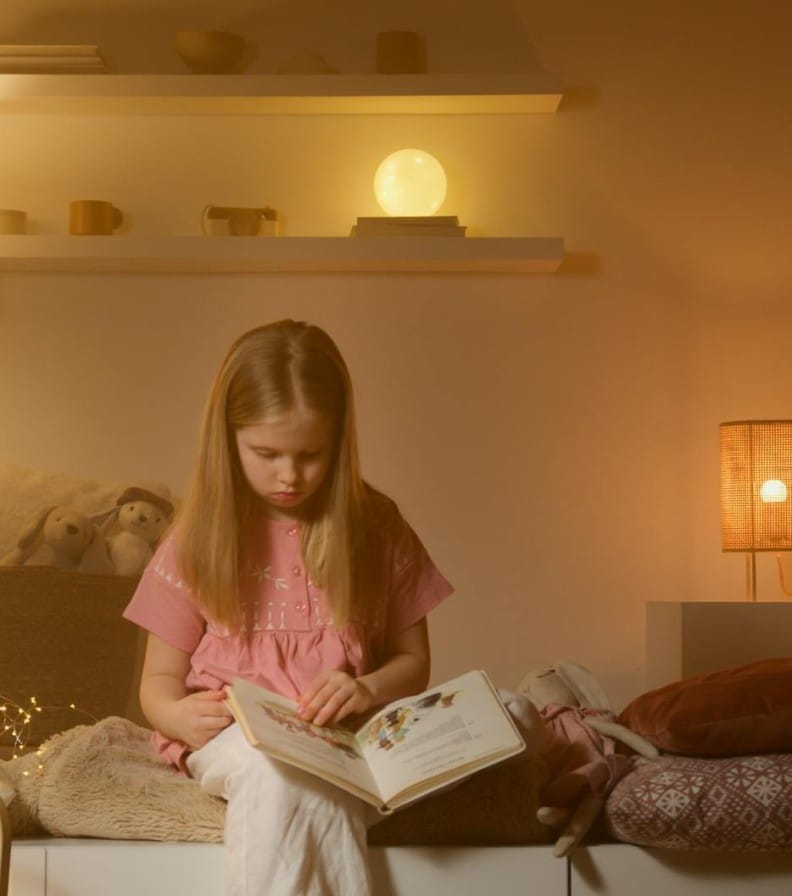
First, you need to drop the idea that your child lacks ability. They are not failing because they are incapable; they are failing because the medium is wrong. The human brain is wired for narrative, not isolated data points.
When you present a letter as a sterile shape on a card, you are asking the brain to memorize an abstract symbol without context. Letters are abstract symbols that lack meaning without context. Rote memorization creates short-term retention, but it fails to build the long-term memory connections required for true literacy. Your child isn't slow; they are simply trying to process information in a way that feels disconnected from their world.
The Screen Time Trap
You mentioned that screen time has contributed to this resistance. That is a crucial piece of the puzzle. Excessive screen time trains the brain to expect instant gratification and passive input. When a child scrolls through a feed, they are consuming content without effort.
Active learning tasks like flashcards feel frustrating and unrewarding to a brain used to scrolling. The brain expects a reward immediately after the action, but flashcards offer a delay. This creates a cycle of disengagement. You are trying to force a passive consumption habit into an active learning task, and the friction causes the resistance you see.
How Stories Transform Abstract Symbols Into Meaningful Memories

So, how do you fix this? You need to change the medium. You need to move from isolated symbols to a narrative context. This is where stories come in.
Stories provide the "why" and the "how" that glue these symbols into long-term memory. When you tell a story, you are not just showing a letter; you are showing a character, a journey, and a purpose. The brain remembers the story, and the letter becomes an integral part of that memory.
"Literacy is not just about reading words; it is about building a foundation for a lifetime of independent learning. Stories bridge the gap between a child's imagination and the printed page."
This shift is the key to reversing the effects of screen time. Instead of fighting the brain's desire for narrative, you are using it. You are turning passive observation into active participation. Your child stops seeing letters as boring shapes and starts seeing them as characters in a world they can enter.
The Power Of Narrative Association
Think about the difference between a static object and an active character. If you teach the letter 'A' as just a shape, it is abstract. But if you link the letter to an active character, it becomes alive.
For example, the letter 'A' isn't just a shape; it's the Ant who goes on an adventure. By linking a letter to an active character rather than a static object, you give the letter a personality and a purpose. Your child remembers the Ant because they care about the Ant's journey. The letter becomes a vessel for the story, making it impossible to forget.
Building Cognitive Capital
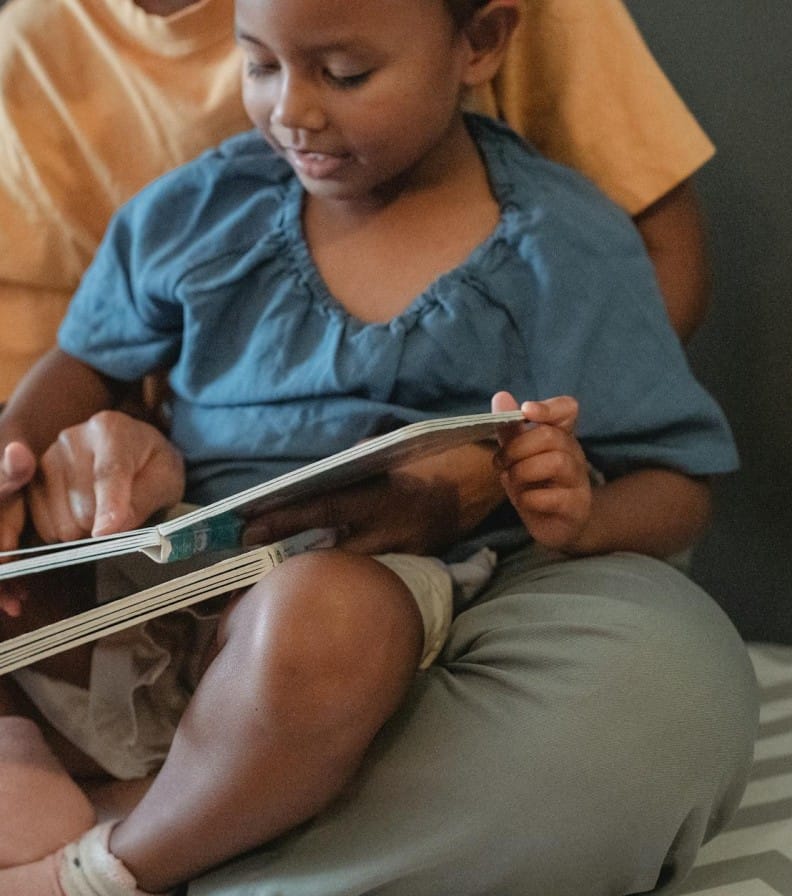
This approach builds what we call cognitive capital. Literacy is not just about reading words; it is about building a foundation for a lifetime of independent learning. When you use stories, you are investing in your child's ability to learn how to learn.
Stories bridge the gap between a child's imagination and the printed page. They show the child that reading is an act of exploration, not a chore. This foundation is what allows your child to eventually tackle complex texts with confidence, knowing that they have the tools to decode the world around them.
Three High-Impact, Low-Effort Strategies To Build Literacy
You don't need to overhaul your entire day to make a difference. You need high-impact, low-effort strategies that you can implement immediately. These three methods are designed to be easy to do but highly effective in building literacy.
Strategy 1: Narrative Association

Start by creating a character for each letter. This sounds simple, but it changes everything. Give the character a personality and a story. Instead of saying "This is the letter B," say "This is Barnaby the Bear, who loves to bounce."
Create a character for each letter. Give the character a personality and a story. This turns the letter into a friend. Your child will want to know what happens next in Barnaby's life, and in doing so, they are absorbing the shape and sound of the letter without realizing they are studying.
Strategy 2: Multisensory Engagement
Engage the senses to reinforce memory. Drawing letters in sand or air while recounting the story is a powerful technique. When you draw the letter in the air, you are connecting the visual shape with the physical movement.
Draw letters in sand or air while recounting the story. Engage multiple senses to reinforce memory. This tactile experience helps the brain encode the letter more deeply. It moves the learning from the eyes to the whole body, making the memory stickier and more resilient.
Strategy 3: Consistency Over Intensity

Finally, focus on consistency rather than intensity. Ten minutes of joyful storytelling beats an hour of frustrated drilling. Make it a daily habit, not a weekly event. Short, frequent sessions keep the momentum going without overwhelming your child or you.
Ten minutes of joyful storytelling beats an hour of frustrated drilling. By keeping sessions short and positive, you ensure that your child associates literacy with joy, not stress. This consistency builds a habit that lasts a lifetime.
| Feature | Traditional Flashcard Method | Story-Based Narrative Method |
|---|---|---|
| Focus | Isolated symbols | Active characters and plots |
| Memory Type | Short-term retention | Long-term memory connections |
| Emotional State | Frustration and boredom | Curiosity and engagement |
| Brain Wiring | Passive consumption | Active participation |
| Outcome | Surface-level recognition | Deep understanding and love for reading |
Overcoming The Fear Of Failure And Building Confidence
Even with the best strategies, you might worry that your child still won't like reading. This fear is natural, but it is not necessary. Confidence comes from success, not perfection. You need to focus on small wins to build momentum and a love for learning.
The Importance Of Patience

Learning is a journey, not a destination. You must be patient with the process. Celebrate small victories along the way. When your child recognizes a letter in a story, celebrate that moment. Acknowledge the effort they put into listening and engaging.
Learning is a journey, not a destination. Celebrate small victories along the way. This positive reinforcement builds the confidence your child needs to tackle harder challenges later. Patience allows the cognitive capital to accumulate naturally over time.
Building A Love For Learning
Focus on the joy of discovery, not the pressure of performance. Create a positive environment for learning where mistakes are seen as part of the process. When your child feels safe to explore, they will take risks and learn faster.
Focus on the joy of discovery, not the pressure of performance. Create a positive environment for learning. This environment fosters a genuine love for reading that will sustain your child through the years. It transforms the act of reading from a task into a treasure hunt.
You've been told how the system works; now it's time to see how it works for your child. Don't take our word for it—check the pedagogy, verify the steps, and challenge the idea that your child isn't "ready." We're here to provide the blueprints so you can stop guessing and start building a foundation of literacy that belongs to your family.
Kids Learning Essentials is currently offering our flagship kids' book, Andy Ant Goes On An Adventure, while supplies last. Just use the promo code READS at checkout to make your total $0.00. Delivered instantly through our digital bookshelf—no downloads, apps, or printing required!
Get it here: https://kidslearningessentials.com/andy-ant-goes-on-an-adventure/
Follow us to stay in the loop and keep taking the next step toward your child's love of reading. Don't hesitate to reach out if you have questions—we are here to support you on this journey.
Use this quick checklist before you decide:
- Name the result you want from the decision.
- Compare the full cost, not only the obvious payment.
- Choose the next step that gives you clearer information.