
How to Use Storytelling to Transition from Letter Names to Sounds
The Moment You Realize the Connection Isn't Happening
| Decision point | What to compare | Why it matters |
|---|---|---|
| The Moment You Realize the Connection Isn't Happening | The real cost, timing, and tradeoff in your situation | It keeps the choice grounded in what you can act on. |
| The Trap of the Alphabet Song | The short-term comfort against the long-term upside | It helps you see what you might be paying to avoid change. |
| The Screen Time Factor | The next small step that gives you better information | It turns a stressful decision into a practical plan. |
You are sitting with your child, pointing to a letter on a page, and expecting a sound. Instead, you get a letter name. You say, "Look at the B," and your child replies, "Bee." You try again with the C, and they say, "See." You feel a familiar knot of frustration tighten in your chest. You know that reading requires sounds, not names, but the connection simply isn't happening. You start to wonder if you are failing to teach this right.
This is a very specific stumbling block. It is not a lack of intelligence. It is a cognitive habit formed by rote memorization. Your child has mastered the sequence of the alphabet song, but they have not yet learned the phonetic value of the letters. The brain is prioritizing the label over the sound because the label is easier to memorize in isolation.
"The brain resists isolating abstract sounds without meaningful context."
This is the core concept you need to understand right now. Letter names are arbitrary labels we assign to symbols. Sounds, however, are abstract auditory patterns that require decoding skills to connect to those labels. When you ask your child to connect a letter to a sound, you are asking their brain to do heavy lifting without a framework. The brain needs a structure to encode these sounds, and currently, it is building a wall of letter names instead of a bridge of sounds.
The Trap of the Alphabet Song

You likely started teaching reading with the alphabet song. It is catchy, rhythmic, and easy to learn. But it teaches letter names, not sounds. When your child sings "A-B-C-D-E-F-G," they are reciting a sequence of labels. They are not hearing the /a/, /b/, /c/ sounds that make up words.
This creates a barrier where the child recites labels instead of decoding. When they see a word like "cat," they might try to read it as "C-A-T" (the names) rather than /k/ /a/ /t/ (the sounds). This is why they stumble. They are trying to read a code they haven't learned yet.
The Screen Time Factor
You mentioned that your child has had too much screen time, and you suspect it has contributed to this reluctance. Excessive screen time often replaces the interactive decoding practice needed for phonological awareness. When a child watches a video, they are a passive consumer. They are absorbing information without building the neural pathways for sound-symbol integration.
Passive consumption does not build the neural pathways for sound-symbol integration. Your child is used to watching characters speak, but they are not practicing the active work of breaking words apart. Transitioning to active storytelling reverses this passive habit. It forces the brain to engage, to listen, and to connect.
Why Stories Are the Bridge to Decoding
You need to shift your perspective from "teaching failure" to "teaching opportunity." You are not failing; you are just using the wrong tool. Stories are the bridge. How does a story help your child hear the sounds you are trying to teach?
Stories provide the emotional and contextual framework necessary for the brain to encode abstract sounds. When you read a story, you are not just reading letters; you are entering a world. Meaningful context makes the sound-symbol connection easier to remember. The "Phonological Loop"—the part of the brain that holds sounds in memory—works best when information is wrapped in a narrative.
Context Over Isolation
Sounds are abstract; they need a home. Isolating sounds, like saying "Say /b/" in a vacuum, is hard work for the brain. It feels like asking a child to hold a heavy stone in their hand without a reason. Embedding sounds in a story makes them concrete and memorable. The sound becomes part of the action, part of the plot.
The Emotional Safety of Storytime
Shame and pressure block learning. When you push your child to read a word and they fail, they feel stupid. They shut down. A story creates a safe space where mistakes are part of the plot. If a character in the book makes a mistake, the child learns that errors are okay. This safety allows the child to focus on decoding without anxiety.
Strategy 1: The Sound-Character Link
You want to make the sound stick without drilling. How do you do that? You anchor the sound to a character. This is your first high-impact strategy.
Create a character whose name starts with the target sound. For example, if you are working on the /b/ sound, you might create a character named Barnaby. You highlight this character in the story so the child associates the sound with a meaningful narrative anchor. This turns an abstract sound into a concrete friend.
Building the Character
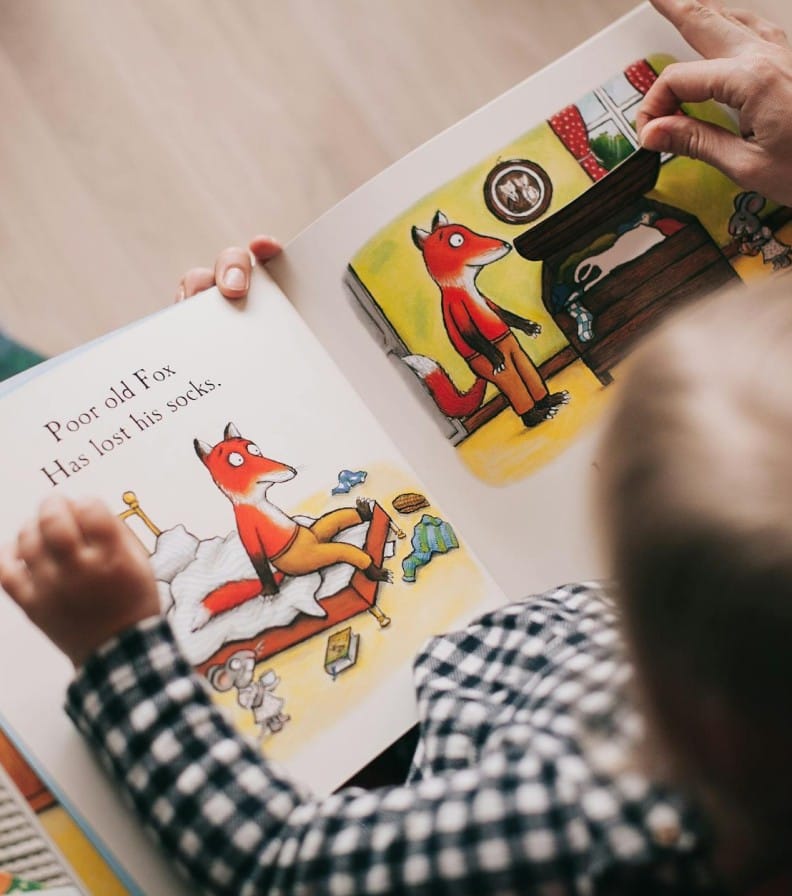
Choose a character name that clearly starts with the target sound. Describe the character's actions using words that start with that sound. Make the character the hero of the specific sound lesson. If you are working on the /s/ sound, introduce a character named Sammy Snake. Point out every time Sammy slithers or slithers. The child hears /s/ repeatedly in a fun, narrative context.
Example: The 'S' Sound
Introduce a character named Sammy Snake. Point out every time Sammy slithers or slithers. The child hears /s/ repeatedly in a fun, narrative context. This is not a drill; it is a story. The child is not being forced to repeat sounds; they are following a character on an adventure.
Strategy 2: Echo Reading Sounds

Now that you have a character, you need to pause and emphasize the sound. This is your second high-impact strategy: Echo Reading Sounds. During read-aloud, pause and echo the beginning sound of key words out loud with the child, emphasizing the sound within the story context rather than isolation.
The Pause Technique
Stop reading when you encounter a key word. Ask the child to identify the sound. Echo the sound clearly and enthusiastically. For example, if you are reading about a "sun," pause and say, "/s/ /u/ /n/!" Make the sound part of the rhythm of the story.
Contextual Emphasis
Say the sound in the rhythm of the story. Connect the sound to the action in the book. Avoid drilling; keep it fluid and narrative-driven. If the character is running, and the word is "run," emphasize the /r/ sound. "/r/ /u/ /n/! Look at him run!"
Strategy 3: Consistent Storytime Slots
You need a routine. This is your third high-impact strategy: Consistent Storytime Slots. Protect a daily ten-minute storytelling slot, establishing a routine that consistently reinforces sound-letter connections without pressuring the child for immediate mastery.
The Power of Ten Minutes
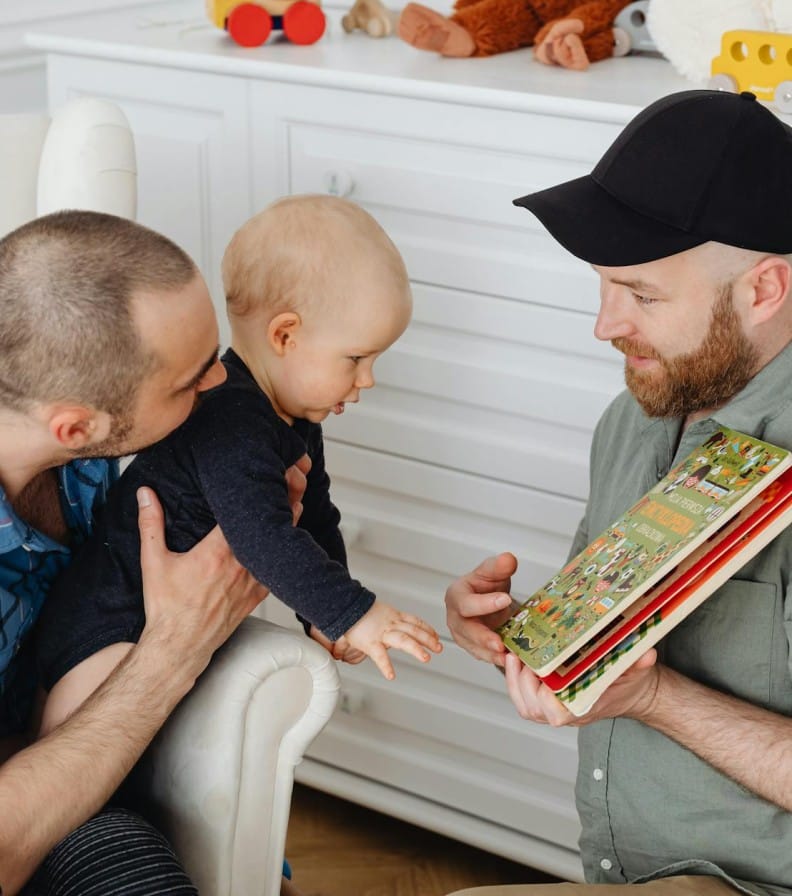
Short, frequent sessions are more effective than long, sporadic ones. Ten minutes is enough to build momentum without causing fatigue. Consistency builds the neural pathways for decoding. You do not need to spend an hour every day; you need to spend ten minutes every day.
Low-Pressure Reinforcement
Focus on the joy of the story, not the lesson. Let the sound connections happen naturally. Celebrate small wins to build confidence. If your child points out a sound, praise them for listening. If they miss one, gently guide them back without making them feel bad.
The Long-Term Payoff: Cognitive Capital
You might be wondering if this is worth the effort. Why is this worth the effort now? Phonemic awareness and sound-letter integration are foundational cognitive capital. This asset fuels decoding ability, which accelerates vocabulary acquisition and comprehension over years.
Decoding as a Compound Asset
Each sound-letter connection made today makes tomorrow's reading easier. Fluent reading accelerates vocabulary acquisition. Comprehension improves as decoding becomes automatic. You are building a compounding asset. The more you practice, the easier reading becomes.
From Reluctant to Eager
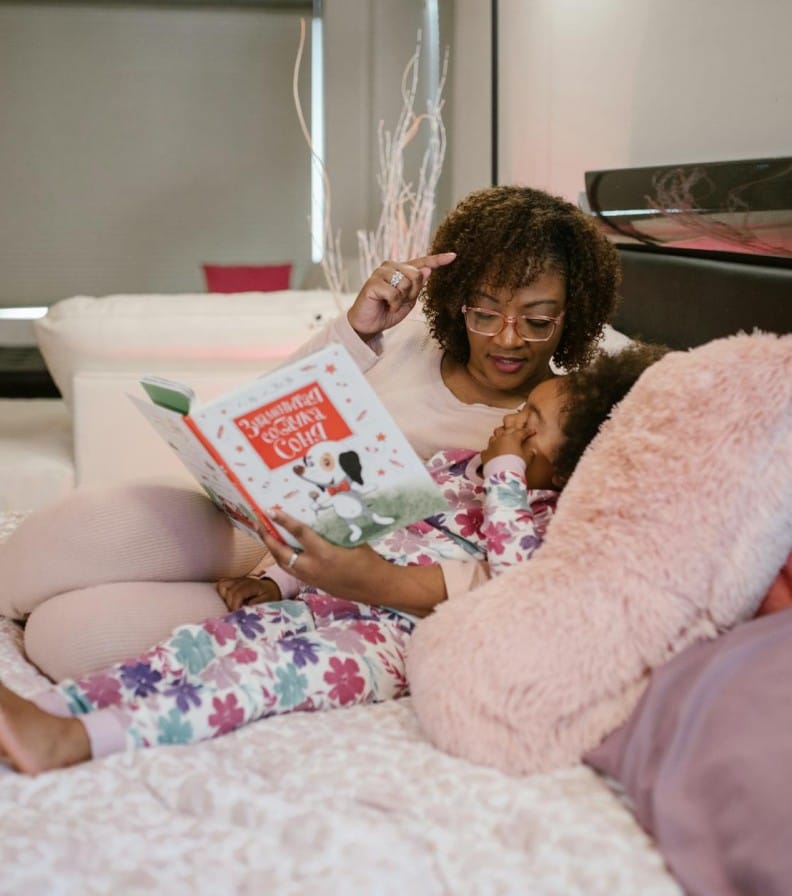
Success breeds confidence. Confidence breeds a love of reading. The cycle of success replaces the cycle of struggle. Your child begins to decode words naturally by connecting sounds to letters within the emotional safety and context of a story. They stop seeing reading as a chore and start seeing it as a tool for adventure.
Your Next Step: Start the Adventure
You are not failing; you are just using the wrong tool. Stories are the right tool. Review the three strategies: Sound-Character Link, Echo Reading, and Consistent Slots. Pick one story to start with today. Remember, you are not failing; you are just using the wrong tool. Stories are the right tool.
"You have the power to change the trajectory of your child's reading journey. Start small, stay consistent, and trust the process. Your child is ready to learn when the context is right."
Get the Right Tool for the Job
Kids Learning Essentials is offering the kids book 'Andy Ant Goes On An Adventure' while supplies last. Use the promo code READS at checkout to make your total $0.00. Delivered instantly through their digital bookshelf—no downloads, apps, or printing required! Get it at https://kidslearningessentials.com/andy-ant-goes-on-an-adventure/
This book is perfect for starting your journey. It is designed to help your child connect sounds to letters in a fun, engaging way. Use it to build the foundation your child needs to become a fluent, independent reader. Start today, and watch your child's confidence grow.
A Quick Reference for Your Routine
To help you get started, here is a simple checklist for your next storytime session:
- Pick a Target Sound: Choose one sound to focus on for this specific session (e.g., /b/ or /s/).
- Identify a Character: Look for a character whose name starts with that sound, or create one mentally.
- Pause and Echo: When you see a word starting with that sound, pause and say the sound clearly.
- Keep it Short: Set a timer for ten minutes and enjoy the story without pressure.
- Celebrate the Win: Praise your child for listening, not just for getting it right.